

How to build a skincare routine for acne-prone, sensitive skin
The key to managing acne-prone, sensitive skin is avoiding irritation while treating active breakouts. Most routines fail because they choose between fighting acne OR protecting the barrier—but you need both. A successful routine layers gentle exfoliation, non-irritating actives, and barrier repair in the right order.
This article contains affiliate links. If you buy through them, PDRN.AI earns a small commission at no extra cost to you. See our affiliate disclosure.
Why acne-prone skin gets sensitive
Acne isn’t just a breakout problem—it’s a barrier problem. When you get a pimple, the follicle is already inflamed. Adding a strong chemical exfoliant or high-dose retinoid on top amplifies that inflammation, triggering redness, peeling, and irritation. Your skin then doubles down on sebum production (defensive moisture) and becomes hypersensitive to any product.
Korean dermatologists call this “barrier-compromised acne.” It’s different from hormonal acne or mild breakouts. The skin is reacting to both the acne AND the products you’re using to fight it.
The inflammation cascade works like this: bacteria → pore clogs → dead skin cells → follicular wall rupture → immune response → redness and sensitivity. A typical acne-fighting routine (benzoyl peroxide + retinol + exfoliating acids) hits an already-inflamed area, and the skin’s protective response is to overproduce sebum and tighten the barrier. This makes you more sensitive, not less.
The mistake most people make
People with acne-prone sensitive skin tend to do one of two things:
- Go too gentle: Use only hydrating products and avoid actives entirely. Breakouts never clear because nothing addresses the clogged pore.
- Go too aggressive: Use benzoyl peroxide + retinol + AHA all at once. Skin becomes raw, compromised, and breakouts actually worsen.
The solution is neither. You need a third path: mild, targeted exfoliation + niacinamide + barrier repair in the right sequence. This approach treats acne without triggering sensitivity.
The role of pH, emollients, and actives in acne-prone skin
Acne-prone skin has a naturally lower pH (more acidic) than other skin types—usually around 4.5–5.0. Products that are too alkaline (>6) further compromise the acid mantle that protects the skin. Always choose cleansers labeled “pH-balanced” or “for sensitive skin.”
Emollients (oils and butters) are non-negotiable. They don’t clog pores if they’re non-comedogenic. Squalane, jojoba oil, and silicones all work for acne-prone skin; avoid coconut oil and mineral oil if you’re prone to milia or closed comedones.
Actives must be mild. Salicylic acid (BHA) at 0.5–2% is safer than glycolic acid (AHA) at 5–10%. BHA works inside the pore; AHA works on the surface. For sensitive skin, BHA is the better choice.
How to build the routine step-by-step
Morning routine
Step 1: Cleanse with a gentle, non-stripping formula
Skip foaming cleansers if you’re sensitive. Use a milk or gel cleanser with a pH close to skin (4.5–5.5). Avoid any product that tightens or squeaks—that’s a sign it’s stripped the natural oils. Spend 30–60 seconds massaging gently; longer contact time doesn’t improve cleansing and can irritate.
Step 2: Apply niacinamide serum
Niacinamide (vitamin B3) reduces sebum production at 4–5% over 8–12 weeks and visibly calms redness within days. It’s the only active that works for sensitive skin, not against it. Apply to damp face (better absorption), use 1–2 pipettes. Wait 1–2 minutes for it to dry before moving to the next step.
Step 3: Moisturize with ceramide cream
Ceramides are lipids that physically seal your barrier. After niacinamide, apply a ceramide-rich moisturizer while skin is still slightly damp. This “sandwich method” (serum → moisturizer on damp skin) ensures maximum hydration and reduces irritation risk. Apply with gentle pressing motions, not tugging.
Step 4: Apply sunscreen (mineral or hybrid, 15+ minutes before sun exposure)
This is non-negotiable for acne-prone skin. UV exposure darkens post-inflammatory hyperpigmentation (those red/dark marks left by pimples). Use a physical sunscreen with zinc oxide if chemical filters irritate you. Reapply every 2 hours if you’re outdoors.
Evening routine
Step 1: Cleanse (double cleanse if wearing makeup)
Oil cleanse first (jojoba, squalane, or micellar water), then follow with your gentle gel cleanser. This removes makeup and sebum without stripping. The oil cleanse dissolves sebum; the second cleanser removes the oil and any remaining impurities.
Step 2: Spot treat active pimples
Apply acne patches or a BHA serum directly to active pimples only—don’t apply it all over. A BHA (salicylic acid) 0.5–2% exfoliates inside the pore and unclogs it. BHA is gentler than AHA for sensitive skin because it works in the pore, not on the surface. Use sparingly; less is more.
Step 3: Apply niacinamide and barrier repair
Same as morning: niacinamide serum → ceramide cream on damp skin. Niacinamide strengthens barrier function over time, reducing reactive sensitivity. This is when you’re maximizing barrier repair—it’s the most important step.
Step 4: (Optional) Retinoid 2–3 times per week
Only add a low-dose retinoid (retinyl palmitate or retinol 0.25–0.5%) after your skin has been calm for 4+ weeks. Start with the lowest dose, use it 1–2 times weekly, and always sandwich it between moisturizers to reduce irritation. Never use it on the same night as BHA. The combination is too harsh.
The full sequence:
AM:
- Cleanser
- Niacinamide serum
- Ceramide moisturizer
- Sunscreen
PM:
- Oil cleanser
- Gentle gel cleanser
- BHA or acne patch (spot-treat only)
- Niacinamide serum
- Ceramide moisturizer
- Retinoid (2–3x/week, optional)
EDITORIAL PICKS
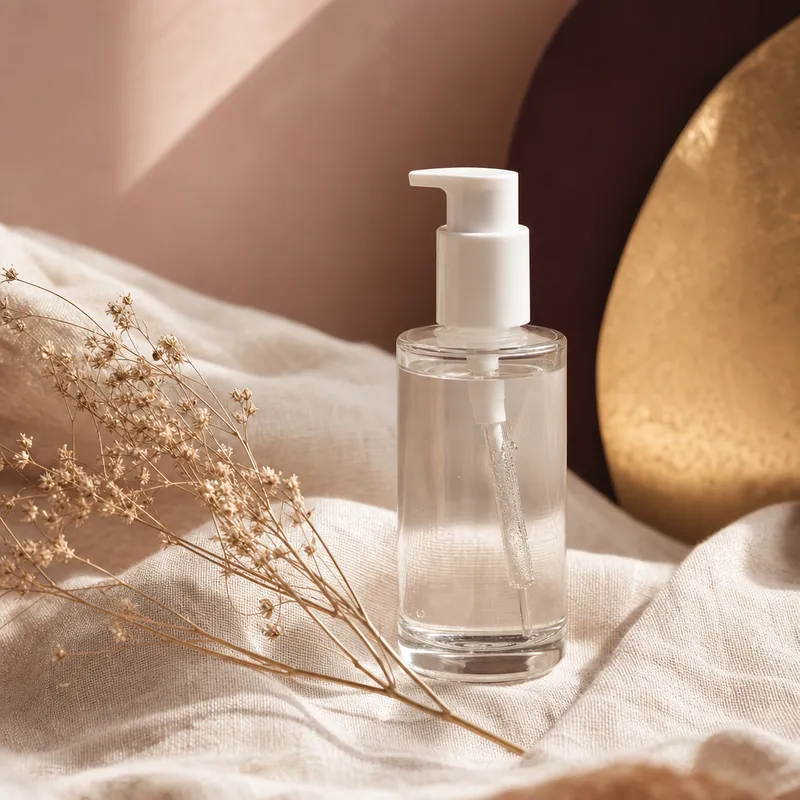
BEST EXFOLIANT
Revison Skincare Radiance Resurfacing Serum
4.3 ★
Revison is a BHA exfoliant, the standard answer for clogged pores, texture, and oily-skin congestion. Start 2-3 nights a...
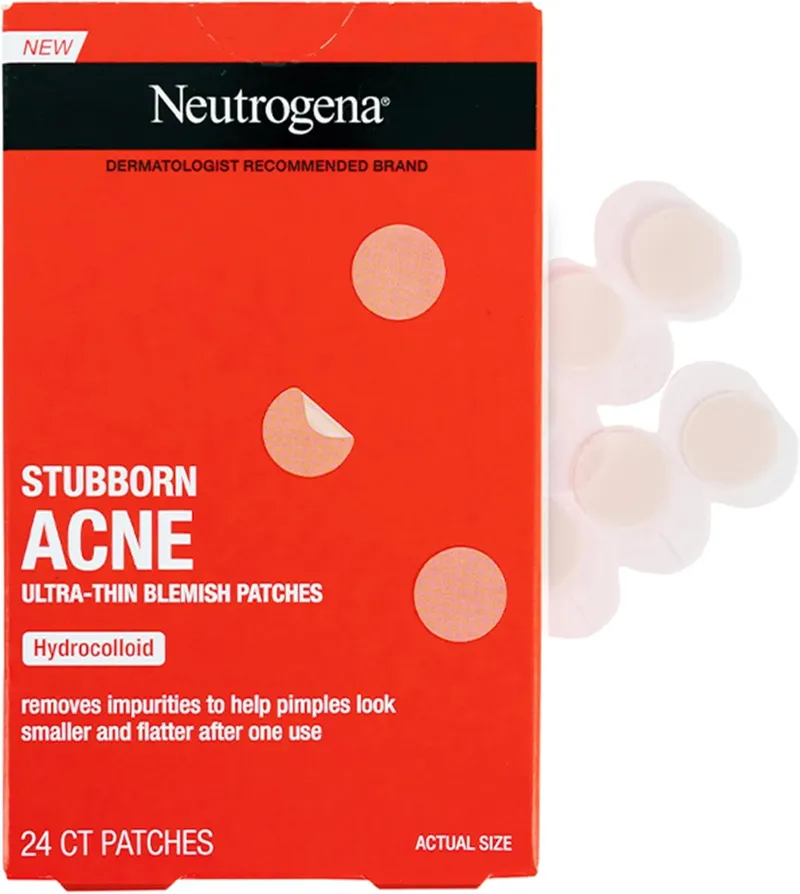
SPOT TREATMENT
Neutrogena Stubborn Acne Pimple Patches
4.4 ★ · 4,089 reviews
Neutrogena uses hydrocolloid — wound-healing tech borrowed from medicine, pointed at the surfaced blemishes you'd otherw...
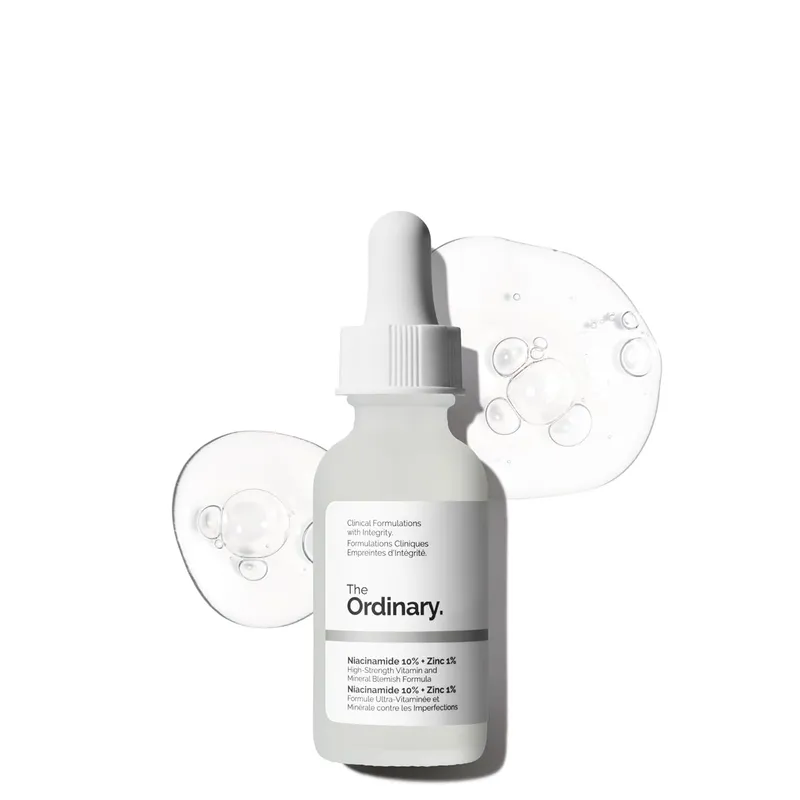
BLEMISH CONTROL
The Ordinary Niacinamide 10% + Zinc 1%, Smoothing Serum for Blemish-Prone Skin
4.5 ★ · 53,183 reviews
The Ordinary is the kind of unflashy, do-its-job niacinamide we recommend often — multi-concern, well-tolerated, reasona...
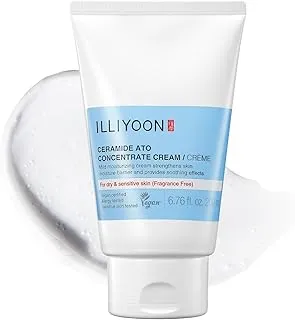
BARRIER REPAIR
Illiyoon Ceramide Ato Concentrate Cream
4.7 ★
Illiyoon prioritizes occlusion and emollients over hero-ingredient marketing, which is usually the right move for a mois...
What won’t work for acne-prone sensitive skin
- Benzoyl peroxide cleansers (too harsh; use as a spot treatment instead)
- Alcohol-based toners (strip the barrier further)
- Fragrance or essential oils (sensitize the skin)
- Daily physical exfoliation or scrubs (create micro-tears in already-compromised skin)
- Combining multiple actives in one routine (BHA + AHA + retinoid = barrier collapse)
You don’t need to choose between clear skin and calm skin. The goal is barrier-first treatment: strengthen the barrier, then address acne.
How long until results?
Niacinamide reduces sebum and calms redness within 2–3 weeks. BHA clears new breakouts in 4–6 weeks if used consistently. Texture and hyperpigmentation take 8–12 weeks. Patience is the hardest part—but consistency is what works.
Expected timeline:
- Week 1–2: Reduced redness and irritation
- Week 3–4: Visible sebum control; smaller existing pimples begin to flatten
- Week 5–8: New breakouts become rarer; post-inflammatory marks start fading
- Week 12+: Texture improvement; smoother, calmer skin overall
Common questions
Can I use vitamin C with this routine?
Yes, but sparingly. Water-soluble vitamin C (L-ascorbic acid) 10–15% is mildly exfoliating and can irritate sensitive skin. Use it 2–3 times per week in the morning, after cleanser and before niacinamide. Avoid on nights you use BHA. If you see redness, drop to once weekly.
Is retinol safe for acne-prone sensitive skin?
Yes, but only low-dose retinol (0.25–0.5%) or retinyl palmitate, 1–2 times weekly, after barrier is healed. Avoid prescription retinoids (tretinoin, adapalene) until your skin is stable. Start in month 2–3, not month 1.
What if I have hormonal acne on top of this?
Niacinamide + consistent exfoliation alone won’t address deep hormonal cysts. Talk to a dermatologist about oral treatments (spironolactone, birth control) or check our guide on hormonal acne for topical options.
How do I know if my skin barrier is damaged?
Visible signs: redness, peeling, stinging when you apply any product, increased sensitivity to your usual products, worse breakouts despite treatment. If this happens, strip your routine to: cleanser → ceramide moisturizer only. Skip all actives for 2 weeks. Reintroduce one product every 5 days.
Can I use this routine if I have oily skin too?
Yes. Oily skin and acne-prone skin often go together. Skip the heavier ceramide cream in the morning and use a gel moisturizer or hydrating serum instead. Use ceramide only at night. The routine stays the same; you’re just matching the texture to your skin’s daytime needs.