
What is azelaic acid? The multitasker dermatologists recommend
Azelaic acid is a naturally occurring dicarboxylic acid that targets acne bacteria, reduces melanin production, and calms inflammation—all in one step. While it doesn’t dominate skincare conversations like retinol or vitamin C, it’s quietly become the go-to recommendation from dermatologists for acne, rosacea, melasma, and post-inflammatory hyperpigmentation. Here’s what you need to know about using it effectively.
This article contains affiliate links. If you buy through them, PDRN.AI earns a small commission at no extra cost to you. See our affiliate disclosure.
How azelaic acid works
Azelaic acid has three distinct mechanisms that make it such a versatile ingredient. First, it kills the Cutibacterium acnes bacteria that trigger breakouts—specifically by disrupting their cellular respiration. Second, it inhibits tyrosinase, the enzyme responsible for melanin production, making it effective for fading dark spots and evening out skin tone. Third, it reduces inflammatory lipid mediators, calming redness associated with rosacea and post-breakout irritation.
What’s unusual about azelaic acid is that these effects happen without stripping the skin barrier or causing the sensitivity often associated with stronger actives. The ingredient works at both the bacterial and pigmentation level, which is why it shows results on acne scars, melasma, and textured breakouts simultaneously.
Clinical research shows that azelaic acid penetrates the skin effectively at concentrations between 10–20%. Most over-the-counter products land at 10%, while prescription-strength formulations (like Finacea) reach 20%. Even at lower percentages, results appear within 4–8 weeks of regular use.
What azelaic acid is good for
Acne and breakouts: Azelaic acid reduces bacterial load and normalizes keratinization (skin cell turnover), preventing the clogged pores that lead to breakouts. It’s particularly effective on inflammatory acne rather than purely comedonal acne.
Hyperpigmentation and dark spots: Post-inflammatory hyperpigmentation (PIH)—the dark marks left after acne heals—responds well to azelaic acid because it blocks melanin production directly. Studies have demonstrated that over 12 weeks, azelaic acid fades PIH by up to 50%.
Melasma: This stubborn condition caused by UV exposure and hormonal changes benefits from azelaic acid’s dual action: it both reduces existing melanin and prevents new pigment production. It’s one of the few actives dermatologists recommend for this specific concern.
Rosacea and persistent redness: Azelaic acid calms the inflammatory cascade that causes facial flushing and visible blood vessels. Many people with rosacea report reduced redness and sensitivity within 6–8 weeks.
Uneven skin texture: Because it exfoliates gently and reduces congestion, azelaic acid smooths bumpy texture and reduces the appearance of enlarged pores filled with oil or dead skin.
Azelaic acid is one of the few actives that works on acne bacteria, pigmentation, and inflammation without the irritation profile of retinoids or vitamin C.
What azelaic acid won’t do
Azelaic acid will not penetrate deeply enough to treat severe cystic acne on its own—those cases typically require oral medication. It won’t fade atrophic scars (ice-pick or boxcar scars) because it doesn’t stimulate collagen production the way retinoids or peptides do. It also won’t brighten dull skin caused by dehydration or poor circulation; that’s where hydrating ingredients like hyaluronic acid excel.
Azelaic acid also moves slower than stronger actives. If you’re looking for dramatic results in 2–3 weeks, you’ll be disappointed. This ingredient rewards patience, with most people seeing meaningful changes between 6–12 weeks.
How to use azelaic acid safely
Start low: Begin with a 10% azelaic acid product 3–4 times per week, applied to clean, dry skin after toning. Over 2–3 weeks, you can increase frequency to daily use if your skin tolerates it well.
Layer correctly: Azelaic acid works best in a hydrating routine. Apply it after hydrating essences and before richer serums. It’s compatible with niacinamide, which actually enhances its effectiveness, and pairs well with sunscreen.
Avoid mixing with: High-pH cleansers reduce azelaic acid’s efficacy. It also doesn’t need to be combined with other exfoliating actives; using azelaic acid alone is enough. If you use retinol or retinoids, use azelaic acid in the morning and retinol at night.
Use SPF religiously: While azelaic acid won’t increase photosensitivity like retinoids do, you’re often using it to fade pigmentation—which means UV damage will undo your progress. Daily sunscreen is non-negotiable.
Watch for the purge: Some users experience a slight increase in breakouts in the first 1–2 weeks. This is normal; azelaic acid is accelerating skin turnover and bringing congestion to the surface.
Skin types and special cases
Acne-prone skin: Azelaic acid is the gold standard. It’s gentler than salicylic acid and more effective for inflammatory acne.
Sensitive or reactive skin: Azelaic acid is often recommended because it’s less irritating than stronger actives. Many people with rosacea or reactive skin tolerate it better than vitamin C serums or AHAs.
Oily, congestion-prone skin: The antibacterial and sebum-regulating properties make azelaic acid ideal here. Combine with niacinamide for added pore control.
Dry skin: You can use azelaic acid, but make sure your routine is layered with hydrating steps. Pair it with centella-based products or hyaluronic acid serums to avoid over-drying.
Combination skin: Azelaic acid is particularly effective on combination skin because it doesn’t over-treat dry areas while addressing congestion and redness in the T-zone.
EDITORIAL PICKS
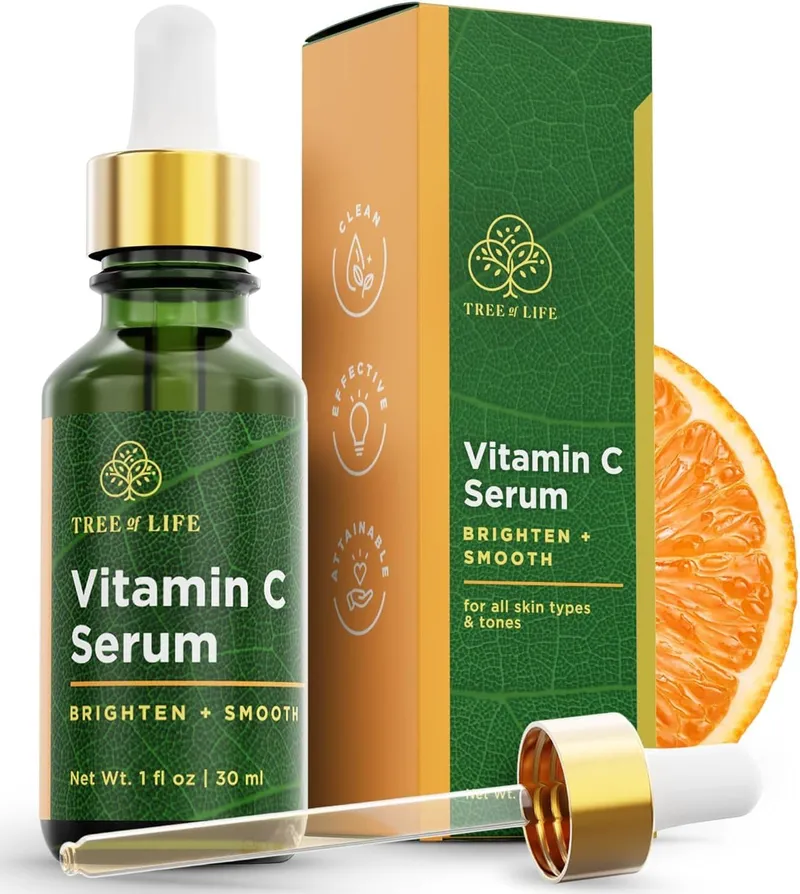
BEST OVERALL
Tree of Life Beauty Vitamin C Skin Care Set
4.3 ★ · 56,208 reviews
Tree of Life targets the brightening and antioxidant lane with ascorbic acid — offering a robust serum format ideal for morning routines.
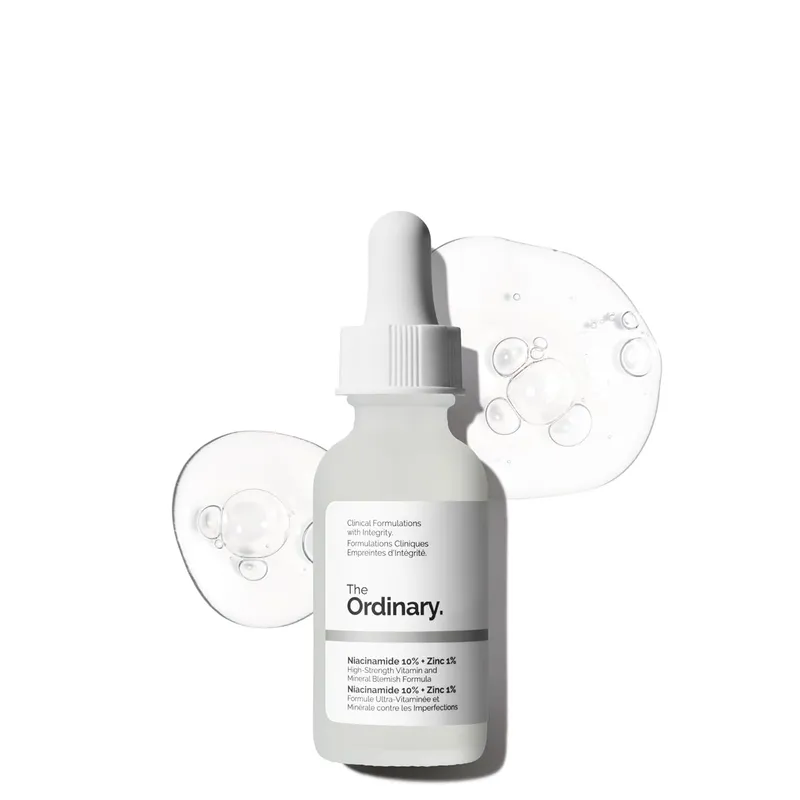
BEST FOR BREAKOUTS
The Ordinary Niacinamide 10% + Zinc 1%, Smoothing Serum for Blemish-Prone Skin
4.5 ★ · 53,183 reviews
The Ordinary is the kind of unflashy, do-its-job niacinamide we recommend often — regulating sebum and calming redness effectively.
BEST FOR ANTI-AGING
The Ordinary Retinal 0.2% Emulsion
4.3 ★ · 17,656 reviews
The Ordinary is a vitamin-A formula for readers ready to step beyond surface-level exfoliation into true cellular renewal and texture smoothing.
BEST DAILY SPF
mixsoon Bean Sunscreen-Lightweight Airy Texture SPF 50 Korean Sunscreen for Face
4.6 ★ · 3,234 reviews
Mixsoon earns a place in the daily-SPF conversation — protection is non-negotiable when using any pigmentation-targeting active like azelaic acid.
Common questions
Can I use azelaic acid with retinol?
Yes, but use them at different times of day. Apply azelaic acid in the morning after cleansing and before moisturizing. Use retinol or retinoids at night. This prevents irritation and maximizes the benefits of both actives, as they work through different mechanisms—azelaic acid targets bacteria and pigmentation, while retinoids stimulate cell turnover and collagen.
How long does it take to see results from azelaic acid?
Clinical studies show that noticeable improvements in acne and hyperpigmentation appear between 4–8 weeks of consistent use. Dark spots and melasma fade more slowly, typically requiring 12+ weeks. Consistency matters more than concentration; using 10% azelaic acid daily is more effective than sporadic use of 20%.
Is azelaic acid safe to use every day?
Yes. Unlike stronger actives, azelaic acid has a low irritation profile and is designed for daily use. Even prescription-strength azelaic acid (Finacea 20%) is recommended for twice-daily application. That said, if you’re new to actives, start with 3–4 times per week and build up to daily use.
Can I layer azelaic acid with vitamin C?
Azelaic acid and vitamin C work synergistically—both target hyperpigmentation and provide antioxidant protection. You can use vitamin C in the morning and azelaic acid at night, or apply both to damp skin in sequence. Wait 1–2 minutes between applications so each settles in.