

Best Korean SPF for dark skin tones: no white cast
Finding the right sunscreen for dark skin tones shouldn’t be a mystery. Korean sunscreens are non-negotiable — not because they’re trendy, but because they use newer UV filters that won’t sit on top of your skin like a cast. Chemical sunscreens absorb faster than mineral formulas, making them the smarter choice for darker skin.
This article contains affiliate links. If you buy through them, PDRN.AI earns a small commission at no extra cost to you. See our affiliate disclosure.
How we selected these picks
Three rules guided us:
- No white cast. The sunscreen must disappear into skin without looking ashy or chalky when applied to deeper skin tones. This rules out most mineral sunscreens and many Western brands that aren’t color-sensitive.
- SPF 45+. Broad-spectrum UV-A and UVB protection — because dark spots on darker skin take longer to fade, and sun prevention beats treatment.
- Real reviews from dark-skin users. We prioritized products with proven feedback from people with deep to medium-brown complexions, not just editorial hype.
Korean brands invest heavily in texture science because humid climates demand lightweight, quick-absorbing formulas. That same science works beautifully on deeper skin tones.
EDITORIAL PICKS
BEST OVERALL
mixsoon Bean Sunscreen-Lightweight Airy Texture SPF 50 Korean Sunscreen for Face
4.6 ★ · 3,234 reviews
Mixsoon earns a place in the daily-SPF conversation — protection is non-negotiable and the finish matters more than the ...
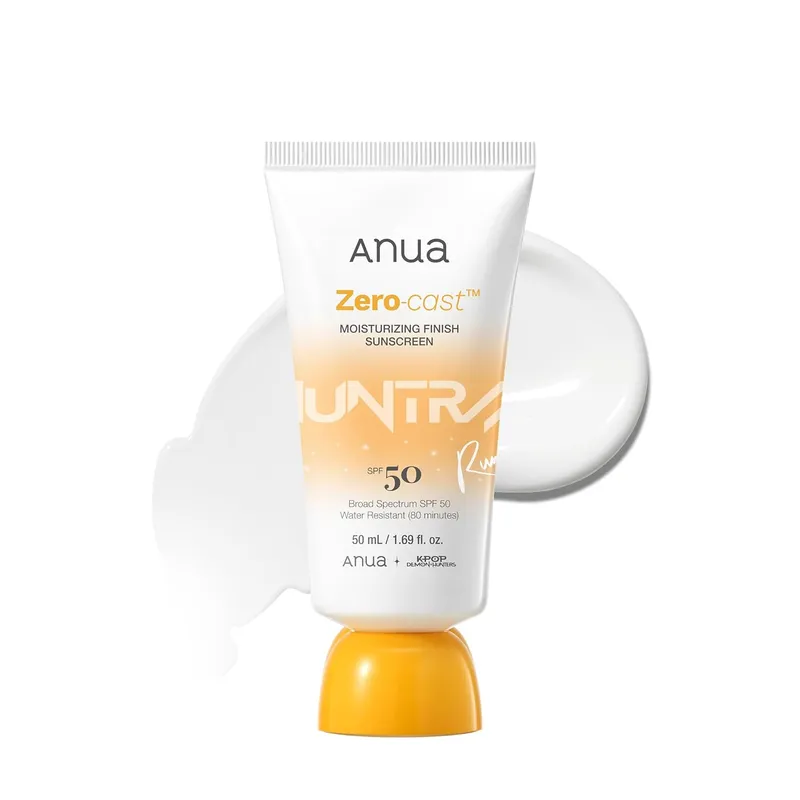
BEST FOR SENSITIVE
Anua, Zero-Cast Moisturizing Sunscreen SPF 50, Glow Natural Sunscreen for face, No White…
4.6 ★ · 2,024 reviews
ANUA earns a place in the daily-SPF conversation — protection is non-negotiable and the finish matters more than the mar...
BEST MINERAL
ALASTIN Skincare HydraTint Pro Mineral Sunscreen SPF 36
4.7 ★
ALASTIN prioritizes a wearable finish over heroics. Korean and Japanese SPF formulas tend to lead this category, and thi...
BEST VALUE
ROUND LAB Birch Juice Moisturizing UV LOCK SPF 45
4.7 ★
Round Lab earns a place in the daily-SPF conversation — protection is non-negotiable and the finish matters more than th...
Why Korean sunscreen wins on dark skin
Western sunscreen marketing assumes all skin looks the same under SPF 50. It doesn’t. Mineral sunscreens (zinc oxide, titanium dioxide) scatter light, which is why they leave a white cast — a visual problem that affects darker skin disproportionately. Chemical sunscreens absorb UV rays before they hit your skin, so there’s nothing to scatter.
Most Korean brands use newer chemical filters like avobenzone, octinoxate, and Tinosorb — ingredients that were refined over decades in Japan and Korea’s rigorous climate. They’re lighter in texture, faster-absorbing, and formulated with hydrating ingredients like hyaluronic acid and centella asiatica that work on all skin types, especially dry or reactive skin.
Temperature and humidity also matter: Korean sunscreens are engineered for Southeast Asian climates (30°C+, 80%+ humidity), so they’re far less likely to pill, separate, or feel tacky on skin.
What you should know about tone-up sunscreens
Tone-up sunscreens are a uniquely Korean category. They contain a light-reflecting pearl or mica that “brightens” the complexion on application. For dark skin tones, this is usually a non-starter — most tone-up formulas come in one universal shade, which reads like ashiness instead of brightness.
Skip tone-up. Stick to pure chemical or hybrid sunscreens without the shimmer.
How to apply sunscreen without streaking
Application matters more than formula:
- Use a primer or moisturizer base. Sunscreen adheres better to hydrated skin.
- Warm the sunscreen between your palms for 3-5 seconds before pressing it into your face (don’t rub). This helps it meld.
- Apply in upward motions, not downward, to avoid disturbing your makeup or skincare layers.
- Wait 30 seconds before applying makeup or other actives.
A common mistake: applying too little. Most people use ½ teaspoon for the face; dermatologists recommend 1 teaspoon (or a nickel-sized amount).
Sunscreen myths that don’t hold up
Chemical sunscreens are scary. Mineral is always safer. False — both are approved by the FDA. Chemical sunscreens have been used globally for 40+ years. The concern about oxybenzone absorption is overstated; routine sunscreen use won’t cause toxicity issues. Mineral sunscreens are great for some skin types but leave a cast on deeper tones._
You only need sunscreen if you’re going outside. Also false — UVA rays penetrate windows, and cumulative sun exposure from daily activities (commuting, sitting near windows) adds up fast. Dark spots on darker skin are stubborn and take months to fade; prevention beats treatment._
More SPF = more protection. Mostly true, but with diminishing returns. SPF 30 blocks 96% of UVB. SPF 50 blocks 98%. The difference between 50 and 100 is negligible. What matters is reapplication every 2 hours, especially if you’re sweating or in water._
Common questions
Does Korean sunscreen actually work for dark skin?
Yes. Korean sunscreens are engineered for darker, oilier skin types and use newer UV filters that don’t leave residue. Choose chemical sunscreens over mineral, apply 1 teaspoon to your full face, and reapply every 2 hours in the sun. Studies confirm that consistent sunscreen use prevents dark spot formation across all skin tones.
What’s the difference between SPF 45 and SPF 50?
SPF 45 blocks 97.8% of UVB rays; SPF 50 blocks 98%. The difference is marginal. Choose based on texture and ingredients, not the number. Reapplication every 2 hours matters far more than the SPF level.
Can I wear sunscreen under makeup without it looking ashy?
Yes, with the right product and technique. Use a hydrating moisturizer before applying sunscreen. Warm the sunscreen between your palms and press (don’t rub) it into your skin. Wait 30-60 seconds before applying primer or foundation. Hybrid sunscreens (which blend chemical and mineral filters) are more forgiving than pure mineral.
Should I reapply sunscreen throughout the day?
Yes, every 2 hours if you’re outdoors, or after swimming or heavy sweating. Powder sunscreens can retouch makeup without disrupting it. If reapplying liquid sunscreen over makeup, use a light hand — too much will pill or slide off.
Are chemical sunscreens safe for sensitive skin?
Most are, but some people react to avobenzone or oxybenzone. Test patch first. If you’re reactive, opt for newer filters like Tinosorb or hybrid formulas that layer mineral and chemical actives in lower concentrations. Centella-based sunscreens (like SKIN1004) are soothing for sensitive skin.