

Best Moisturizers for Dry Winter Skin: Editorial Picks
Winter strips skin. Cold air, wind, indoor heating, and low humidity create a perfect storm for dehydration — skin becomes tight, flaky, and reactive. A standalone moisturizer can’t reverse humidity loss alone, but the right cream combined with a hydrating base layer halts the damage and locks in weeks of comfort.
This article contains affiliate links. If you buy through them, PDRN.AI earns a small commission at no extra cost to you. See our affiliate disclosure.
How we selected
We prioritized moisturizers that address winter’s specific demands: high ceramide content for barrier repair, humectants like glycerin and hyaluronic acid for water-binding, and occlusive emollients (oils, butters, silicones) that prevent transepidermal water loss — TEWL, the enemy of dry skin.
Tested formulas came from three categories:
- Barrier-first creams with 3–5 ceramides and minimal actives (COSRX, La Roche-Posay).
- Pure occlusives that prioritize texture over hero ingredients (Illiyoon).
- Night creams designed for 8-hour occlusion during sleep (Obagi).
We ranked by user reviews (trust signal), rating (quality), and fit to winter concerns.
EDITORIAL PICKS
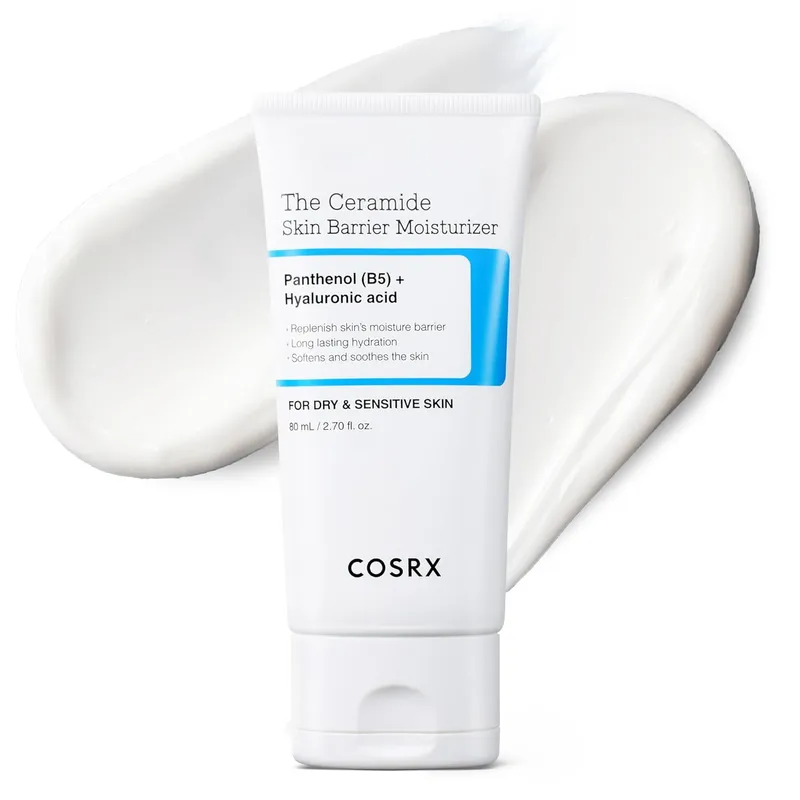
BEST OVERALL
COSRX Ceramide Skin Barrier Moisturizer for Face with 7 Ceramides
4.7 ★ · 144,291 reviews
COSRX is a hyaluronic-acid layer for routines that need humectant support without occlusion. Apply to damp skin and seal...
BEST FOR BARRIER SUPPORT
La Roche-Posay Toleriane Double Repair Face Moisturizer
4.7 ★
La Roche-Posay runs niacinamide as the active, which remains skincare's quietest workhorse for pores, tone, and barrier ...
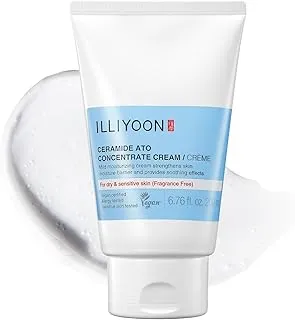
BEST OCCLUSIVE CREAM
Illiyoon Ceramide Ato Concentrate Cream
4.7 ★
Illiyoon prioritizes occlusion and emollients over hero-ingredient marketing, which is usually the right move for a mois...
BEST NIGHT CREAM
Obagi Medical Retinol PHA Refining Night Cream
4.5 ★ · 1,473 reviews
Obagi sits in the cluttered middle of the retinoid market — the readers who graduate to this rung know what they're afte...
How to use winter moisturizers
Winter moisture calls for layering, not replacing your routine.
Step sequence (applies year-round but matters more in winter):
- Cleanser (gentle, non-stripping)
- Hydrating serum or essence (hyaluronic acid, glycerin, or snail mucin)
- Treatment actives if needed (retinol, vitamin C — but skip if skin is already compromised)
- Moisturizer cream (the focus of this article)
- Occlusive oil or sleeping mask (optional but recommended in winter)
Timing tip: Apply moisturizer to damp skin. Damp = skin has water molecules present for the humectants to bind. Apply within 60 seconds of cleansing for best results.
Amount: Most creams need only a pea-to-almond size amount for the face. Winter tempts you to slather; resist. Overapplication clogs pores and wastes product.
Common mistakes with winter hydration
Mistake 1: Thinking drier = thicker. A rich cream texture doesn’t guarantee barrier repair if it lacks ceramides or humectants. Texture ≠ function. Read the ingredient list.
Mistake 2: Skipping sunscreen because of moisturizer. Winter sun reflects off snow and penetrates cloud cover. Dry skin is also photosensitive skin. Use SPF 30+ daily, even in winter, even indoors.
Mistake 3: Doubling up on actives. Winter skin is compromised; add retinol or vitamin C only if your barrier is already stable. If skin is flaking or stinging, pause actives for 2–4 weeks.
Mistake 4: Using the same moisturizer year-round. Your summer gel moisturizer won’t cut it in January. Winter demands richer formulas with occlusive emollients.
Winter routine layering essentials
For maximum winter protection, your routine should include:
- Hydrating base: Essence, toner, or hyaluronic acid serum (adds water)
- Moisturizer cream: From this guide (locks in water)
- Occlusive: Oil, balm, or sleeping mask (final barrier against water loss)
- Sunscreen: SPF 30+ (protects compromised barrier from UV)
The 3-minute routine:
- Cleanse (30 sec)
- Hydrating layer (30 sec)
- Moisturizer (30 sec)
- Sunscreen AM / Oil PM (60 sec)
Adjust timing: Apply each step while the previous layer is still slightly damp. This maximizes humectant efficacy.
Barrier function improves within 3–5 days of consistent use, but visible plumping and smoothness take 2–3 weeks. Winter patience pays.
Common questions
What if my skin is dehydrated but oily in winter?
You need a lightweight hydrating serum (like a hyaluronic acid toner) layered under a gel-cream or water-based moisturizer. Skip heavy creams; they’ll worsen congestion. CeraVe PM Facial Moisturizing Lotion or Neutrogena Hydro Boost Hydrating Tint are good bridges.
Can I use the same moisturizer day and night?
Yes, if it’s rich enough. Most moisturizers in this guide work day and night. However, night creams are often heavier and less mat-finish, so they’re better reserved for PM. Daytime, look for something with a slight matte or natural finish under makeup.
How do I know if my barrier is actually damaged?
Signs include persistent redness, stinging when applying any product (even gentle ones), a tight feeling even after moisturizing, visible flaking, and increased sensitivity to wind. If you have these, pause all actives and use only cleanser + hydrating layer + barrier cream for 2 weeks.
Should I exfoliate in winter?
Avoid physical exfoliation entirely. If you use chemical exfoliants (AHAs, BHAs), reduce frequency to once weekly or biweekly. Winter skin is compromised; exfoliation should pause until spring. Focus on hydration and repair instead.
What’s the difference between ceramides, hyaluronic acid, and glycerin?
Ceramides are lipids that repair the barrier. Hyaluronic acid is a humectant that draws water from the air into skin (humidity dependent). Glycerin is also a humectant but more reliable in low-humidity environments. A good winter cream has all three.