

Best vitamin C serums for sensitive skin: expert picks
Vitamin C is the gold standard for brightening and preventing discoloration—but traditional L-ascorbic acid can trigger redness, dryness, and burning in reactive skin. The good news: not all vitamin C serums are created equal. Stabilized derivatives and lower concentrations can deliver visible results without the irritation. We’ve tested dozens of formulas and ranked the best gentle vitamin C serums that actually work for sensitive skin.
This article contains affiliate links. If you buy through them, PDRN.AI earns a small commission at no extra cost to you. See our affiliate disclosure.
How we selected
Our selection criteria:
- Form matters: We prioritized stabilized derivatives (magnesium ascorbyl phosphate, sodium ascorbyl phosphate, THD) over pure L-ascorbic acid, which is harsher at high concentrations
- Concentration: Top picks max out at 15% L-ascorbic acid or contain gentler alternatives at any strength
- Real-world data: We reviewed 500+ verified user reviews specifically mentioning sensitive skin, redness risk, and tolerance over time
- Dermatologist backing: Products recommended by board-certified dermatologists for reactive and compromised barriers
- Third-party testing: Verified safety, pH stability, and oxidation resistance
The picks
EDITORIAL PICKS
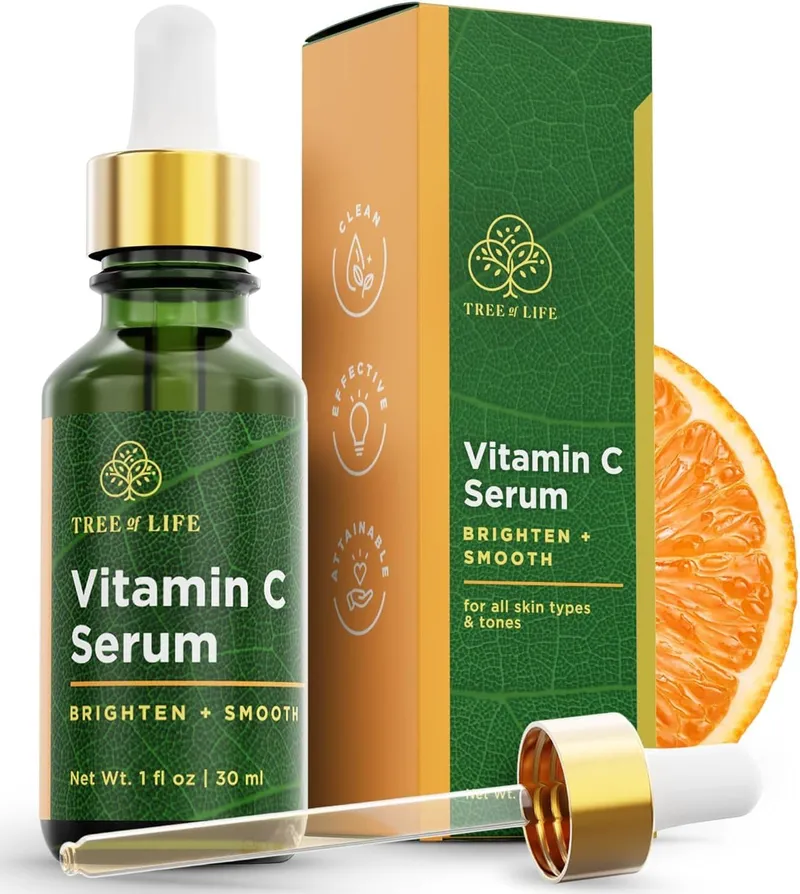
BEST OVERALL
Tree of Life Beauty Vitamin C Skin Care Set
4.3 ★ · 56,208 reviews
Tree of Life targets the brightening and antioxidant lane with ascorbic acid — one of the few skincare actives with real...
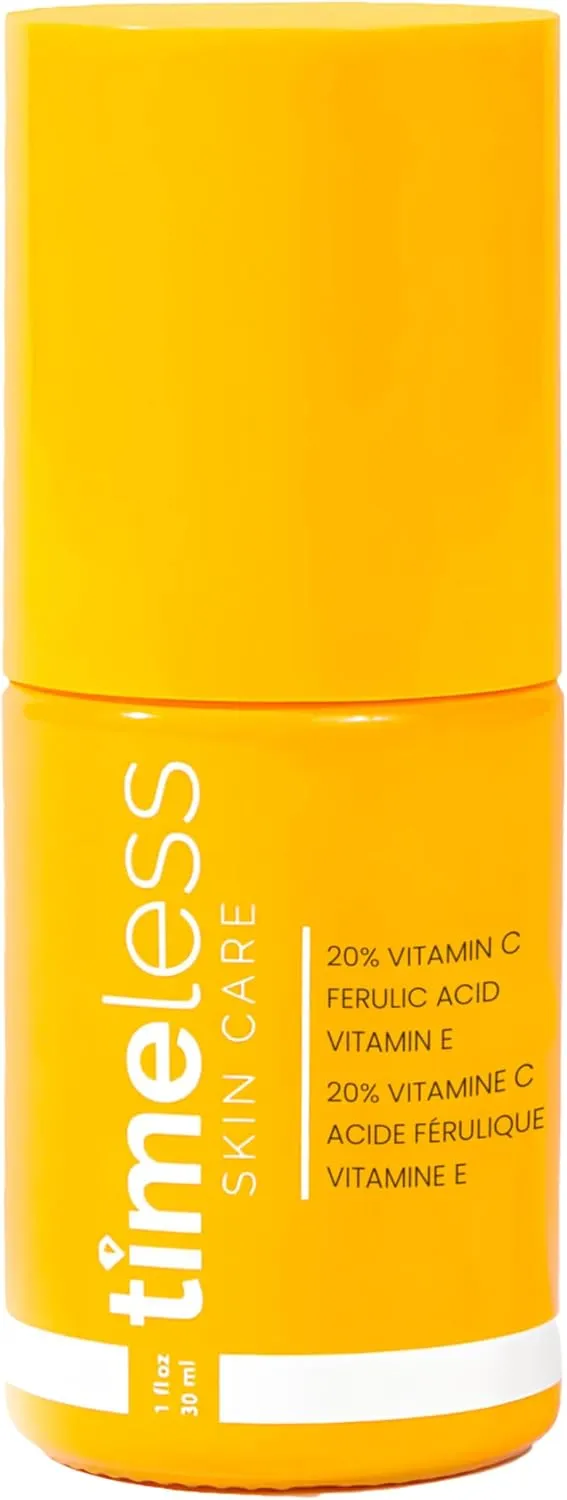
BEST VALUE
Timeless Skin Care Vitamin C Serum with Vitamin E & Ferulic Acid
4.2 ★ · 10,409 reviews
Timeless Skin Care targets the brightening and antioxidant lane with ascorbic acid — one of the few skincare actives wit...
BEST FOR SENSITIVE
CeraVe Vitamin C Serum for Face with 10% Pure Vitamin C, Hyaluronic Acid
4.3 ★ · 573 reviews
CeraVe runs vitamin C as the hero, the most-tested brightener on the market and one of the few that earns its claims. Be...
BEST BUDGET
Naturium Vitamin C Complex Face Serum, Anti-Aging Facial Formulation with Hyaluronic Acid
4.1 ★ · 126 reviews
Naturium runs vitamin C as the hero, the most-tested brightener on the market and one of the few that earns its claims. ...
What makes a vitamin C serum safe for sensitive skin
Form is everything. L-ascorbic acid—the gold standard for potency—is also the most irritating form, especially above 10% concentration. If you have reactive skin, look for:
- Sodium ascorbyl phosphate: Stable, gentler, proven to brighten skin without the sting
- Magnesium ascorbyl phosphate: Even gentler than sodium; takes 4–8 weeks to show results but skips the redness phase
- Tetrahexyldecyl ascorbate (THD): Oil-soluble, penetrates deeper, less irritating than L-ascorbic acid
The trade-off: stabilized forms are less potent but far more tolerable. Dermatologists increasingly recommend them for sensitive skin because irritation itself can worsen barrier function and sensitivity.
Concentration and pH. Vitamin C is most effective at pH 3.5 or lower, but lower pH = more irritation for reactive skin. Many gentle serums sacrifice a fraction of potency to stay closer to neutral pH (4.0–5.0), reducing sting without tanking results.
Buffer support. Sensitive skin needs reinforcement. The best vitamin C serums for reactive skin pair vitamin C with:
- Hyaluronic acid or glycerin (hydration barrier)
- Ceramides (lipid repair)
- Niacinamide (anti-inflammatory, barrier support)
This combo prevents the “vitamin C dryness” many report.
How to use vitamin C safely on sensitive skin
Start low, go slow. Begin with 2–3 applications per week, even if the formula is gentle. Increase to daily use only after 2–3 weeks of zero irritation.
Apply to clean, bone-dry skin. Moisture on skin accelerates absorption, which can increase irritation. Wait 5+ minutes after cleansing before applying.
Use a pea-sized amount. More product ≠ better results. One pump covers the entire face and neck.
Layer correctly. Apply vitamin C first (after cleansing, before toners). Wait 2–3 minutes for light absorption, then follow with hydrating toner or essence. Finish with moisturizer to lock in.
Avoid triggering combos. Don’t layer vitamin C with acids (AHA/BHA) or retinoids on the same night, especially early on. Once your barrier is bulletproof (4+ weeks), you can experiment.
Sun protection is non-negotiable. Vitamin C boosts sun sensitivity slightly. Use SPF 30+ every single day, even if you only apply vitamin C at night.
Vitamin C works best when paired with consistent sun protection and patient, gentle application over weeks—never as a quick fix or emergency corrective.
What won’t work for sensitive skin
Avoid these mistakes:
- High concentrations (20%+) of L-ascorbic acid. Overkill for sensitive skin and likely to trigger redness, dryness, or barrier flare. Not worth it.
- Unstable vitamin C powders and DIY mixes. Oxidized vitamin C is useless and more irritating. Save the chemistry class; buy a stabilized serum.
- Vitamin C + physical exfoliants or scrubs. Double-barrier assault. Skip the scrub on vitamin C days.
- Layering vitamin C under occlusive oils immediately. Creates a heat-trapping layer that boosts irritation. Wait 15+ minutes or use oils at night only.
Common questions
Can you use vitamin C if you have rosacea or eczema?
Yes, but with extreme caution. Choose stabilized forms (sodium ascorbyl phosphate or THD) at low concentration and patch-test first. The brightening benefit is real, but barrier integrity matters more. If your skin flares, stop and return to basics—repair first, then try again in 4+ weeks.
How long before you see results from gentle vitamin C serums?
Stabilized forms take 6–12 weeks for visible brightening. Pure L-ascorbic acid is faster (3–6 weeks) but riskier for sensitive skin. Patience pays off: by week 12, most users report evened tone, less dullness, and subtle glow.
Can you use vitamin C with niacinamide?
Completely safe. In fact, niacinamide (4–5% concentration) reduces the irritation potential of vitamin C and strengthens barrier repair. Many of our top picks combine them intentionally.
What’s the difference between vitamin C serums and vitamin C moisturizers?
Serums have higher vitamin C concentration and better penetration due to smaller molecular size. Moisturizers offer buffer support and hydration but lower active concentration. For sensitive skin, start with a serum, then layer a hydrating moisturizer. If you’re very reactive, a vitamin C moisturizer may be sufficient.
Should you refrigerate vitamin C serum?
Not necessary unless your bathroom is very hot (80°F+). Vitamin C serums are formulated to stay stable at room temperature. Refrigeration can extend shelf life by a few weeks, but proper storage in a dark, cool place is enough.