
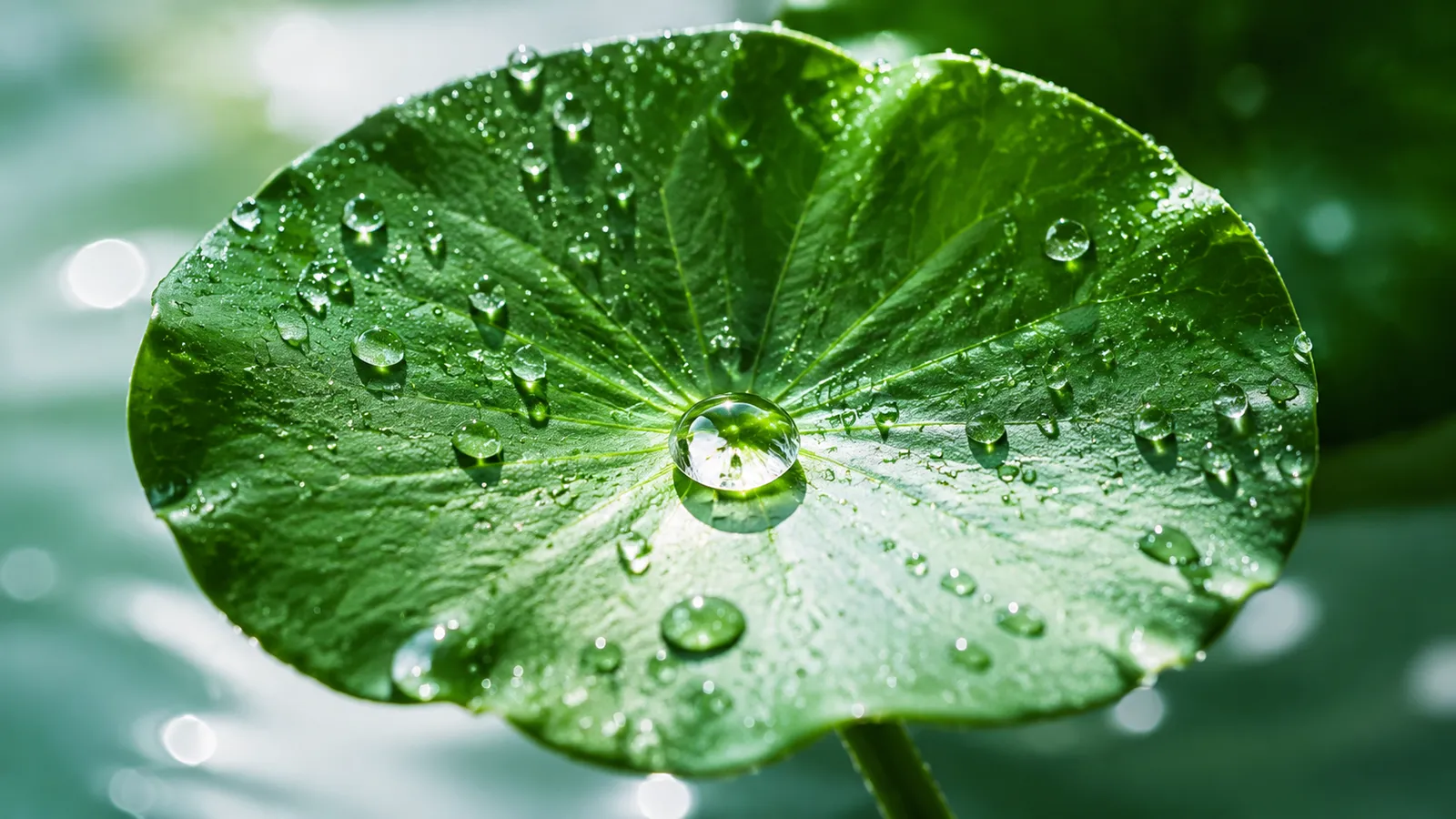
Centella vs Madecassoside vs Cica: Understanding the Family
Centella asiatica, madecassoside, and cica are not competing ingredients — they’re family. Centella asiatica is the plant; madecassoside is one of its four active compounds; cica is the marketing umbrella for all of them. This guide clarifies the hierarchy so you can read labels with confidence and pick products that actually deliver.
This article contains affiliate links. If you buy through them, PDRN.AI earns a small commission at no extra cost to you. See our affiliate disclosure.
The Short Answer
- Centella asiatica = the plant (also called tiger grass or gotu kola)
- Madecassoside = the most potent of four active compounds extracted from centella (studied at 0.1% concentration)
- CICA = marketing term for centella-based skincare (includes the full triterpenoid family)
When a product claims “cica,” it may contain the full centella plant extract, isolated madecassoside, or other compounds like asiaticoside and madecassic acid. Each offers slightly different benefits.
What Is Centella Asiatica?
Centella asiatica is a creeping vine native to Southeast Asia with a 2,000-year history in Ayurvedic and traditional Chinese medicine. In skincare, it’s valued for wound healing, collagen synthesis, and anti-inflammatory response — properties confirmed in multiple clinical studies.
The plant works by stimulating fibroblast activity (the cells that produce collagen and elastin) and modulating inflammatory cytokines. Studies show centella reduces redness and supports barrier repair in as few as four weeks, making it a staple for reactive or compromised skin.
Centella is effective at remarkably low concentrations. Clinical research demonstrates measurable improvement at 0.1% and above, which is why even lightweight essences and serums yield results. Unlike some ingredients that require high percentages to work, centella punches above its weight.
What Is Madecassoside?
Madecassoside is one of four triterpenoid compounds found in centella asiatica — and it’s the most researched. Clinical dermatology research has shown madecassoside reduces skin inflammation by 40% in 24 hours. It’s the active your dermatologist likely recommends when prescribing cica products.
Madecassoside stimulates type III collagen synthesis (the collagen present in healthy, resilient skin) and acts as a potent antioxidant. It also strengthens the stratum corneum — your outermost barrier — making it critical for sensitive, acne-prone, or post-procedure skin recovery.
Products listing “madecassoside” as the second or third ingredient are prioritizing efficacy over cost. Concentrated madecassoside formulas (0.5–1%) are pricier but deliver faster visible results: reduced redness within 48 hours, improved texture in two weeks.
What About the Other Triterpenoids?
Centella contains four main active compounds:
- Madecassoside — anti-inflammatory, collagen-boosting, most clinically backed
- Asiaticoside — supports moisture barrier, wound healing
- Madecassic acid — antioxidant, free-radical scavenging
- Asiatic acid — antimicrobial, mild exfoliating effect
Products marked “centella asiatica extract” contain all four, often in their natural ratio. This blend is gentler and more moisturizing than isolated madecassoside, making it ideal for sensitive skin. Products marked “madecassoside” isolate the hero compound for faster, more visible results in acne-prone or reactive skin.
Neither is superior — they’re different tools. Full-spectrum extract equals long-term barrier repair. Isolated madecassoside equals targeted inflammation control.
How to Read a CICA Label
Look for placement, not just presence:
- If centella or madecassoside is in the top 5 ingredients, you have a cica-forward product.
- If it appears in the bottom third, it’s a supporting player — fine for maintenance, but not for acute irritation.
Concentration signals:
- “Madecassoside” alone suggests 0.5–1% (high potency)
- “Centella asiatica extract” suggests 2–5% (full-spectrum, gentler)
- “Cica” is vague — check the ingredient list for specifics
Product type matters:
- Serums and essences absorb fastest and work for sensitive skin
- Creams occludes and heals compromised barriers
- Sunscreens with cica provide daily soothing coverage
- Masks and sleeping packs offer intensive overnight repair
Layering rule: Cica plays well with niacinamide, hyaluronic acid, and hydrating humectants. Avoid pairing with strong actives (retinoids, AHAs, BHAs) on the same step; use cica in the AM or on rest days to stabilize your barrier.
EDITORIAL PICKS
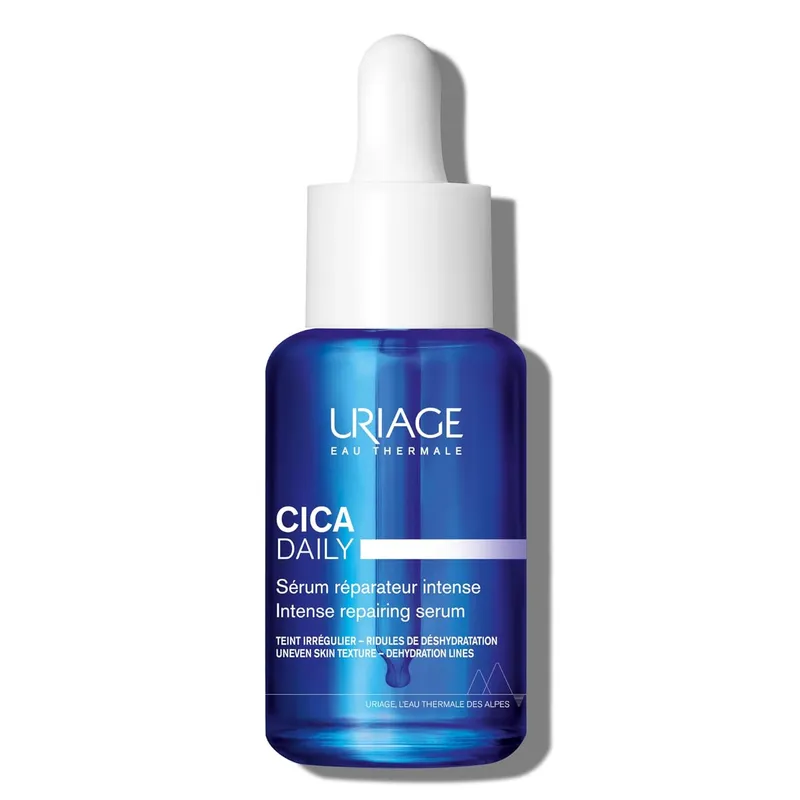
BEST LIGHTWEIGHT HYDRATION
Uriage Cica-Daily Intense Repairing Serum, Made With Prebiotic, Hyaluronic Acid
4.3 ★ · 418 reviews
Uriage is a hyaluronic-acid layer for routines that need humectant support without occlusion. Apply to damp skin and sea...
BEST SNAIL HYBRID
92% Snail Mucin Face Moisturizer Cream Large 7oz with CICA, Squalane
4.7 ★ · 144 reviews
This snail-mucin essence runs on snail secretion filtrate — humectant-heavy, glycoprotein-rich, slow-build hydration in ...
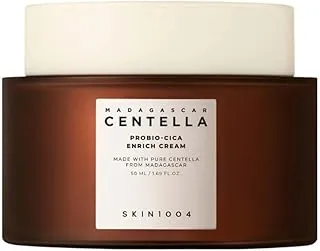
BEST SENSITIVE-SKIN CREAM
SKIN1004 Probio Cica Enrich Cream 1.69 fl.oz
4.7 ★
Skin1004 is a cica formula aimed at the sensitive-and-reactive lane — gentle, repeatable, low risk. Layer into any routi...
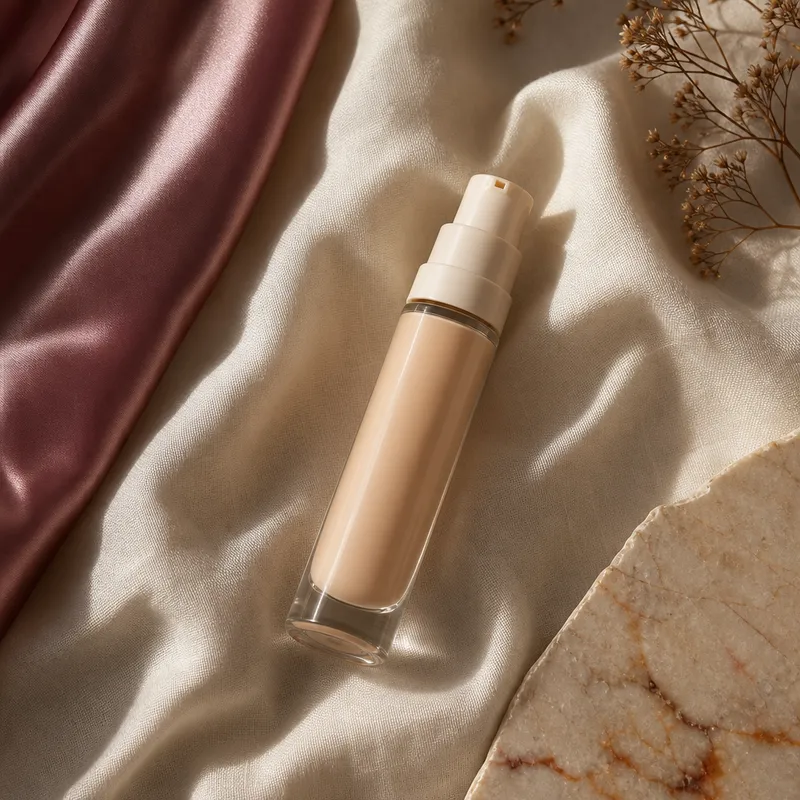
BEST DAILY SUNSCREEN
SKIN1004 Centella Hyalu-Cica Water-Fit Sun Serum UV
4.6 ★
Skin1004 prioritizes a wearable finish over heroics. Korean and Japanese SPF formulas tend to lead this category, and th...
What Does Science Say?
Centella’s efficacy is backed by peer-reviewed dermatology literature. A meta-analysis in the Journal of Medicinal Plants Research confirmed centella’s role in accelerating wound closure and reducing inflammatory markers. Clinical trials have found madecassoside-enriched formulas reduce transepidermal water loss (TEWL) by 22% in three weeks — a marker of barrier integrity.
The ingredient is particularly effective for post-procedure skin (laser, chemical peel, microneedling). Dermatologists frequently recommend cica-enriched products in the 48-hour recovery window to minimize inflammation and support healing.
Common questions
Is centella asiatica the same as madecassoside?
No. Centella asiatica is the plant; madecassoside is one of four active compounds within it. Full centella extract contains all four triterpenoids and is gentler. Isolated madecassoside is more potent but less moisturizing. Check your product’s ingredient list to know which you’re buying.
Can I use cica every day?
Yes. Centella is exceptionally gentle and appropriate for daily use, even on sensitive or reactive skin. In fact, daily cica use strengthens your barrier over time. Some people use it twice daily (AM serum, PM cream) without irritation. It plays well with all skin types.
Will cica fade my acne scars?
Cica won’t erase scars, but madecassoside stimulates collagen remodeling and may soften their appearance over months of consistent use. For active acne, cica’s anti-inflammatory properties help prevent new scars by healing breakouts faster. Combine with niacinamide for best results.
What’s the difference between cica and tiger grass?
None. Tiger grass, gotu kola, and centella asiatica are three names for the same plant. Cica is the skincare marketing term that stuck in Korea-focused beauty. All refer to the same botanical.
How long until I see results from cica?
Redness and inflammation subside within 24–48 hours for reactive skin. Barrier strengthening (reduced TEWL, improved texture) takes two to four weeks of daily use. Collagen remodeling and scar softening require eight to twelve weeks.