
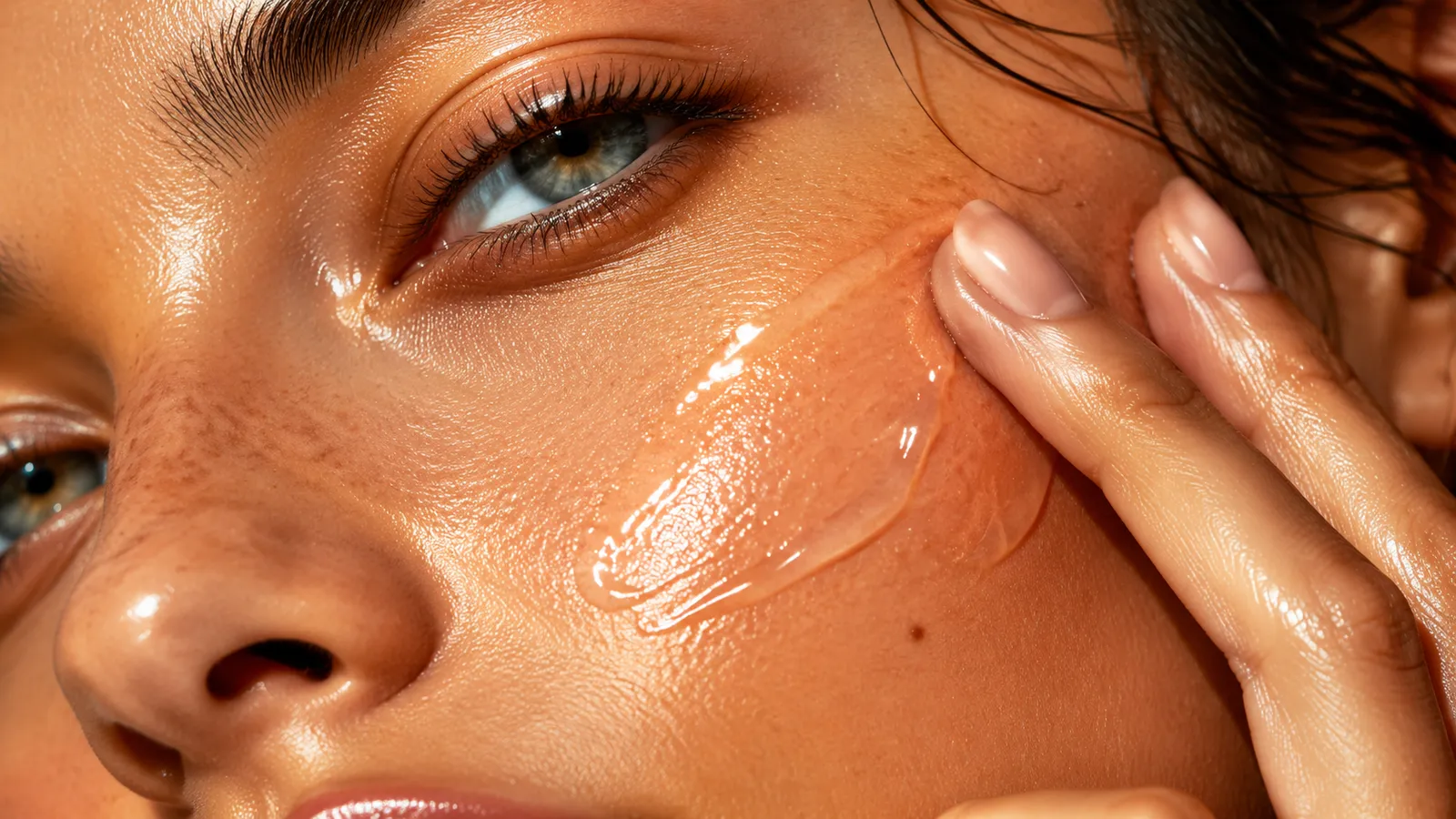
Do peptides really work for wrinkles and fine lines?
Yes, peptides work for wrinkles—clinical research confirms this. They won’t give you Botox-like freezing, but consistent use over 8–12 weeks visibly reduces fine lines by stimulating collagen production and improving skin elasticity. The science is solid. The timeline is realistic.
This article contains affiliate links. If you buy through them, PDRN.AI earns a small commission at no extra cost to you. See our affiliate disclosure.
What are peptides, exactly?
Peptides are short chains of amino acids—the building blocks of proteins like collagen, elastin, and keratin. When applied topically, they signal skin fibroblasts (collagen-producing cells) to manufacture more structural proteins. Think of them as a chemical “reminder” that tells your skin to keep building its own support structure.
Not all peptides are created equal. Dipeptides and tripeptides penetrate deeper; longer peptide chains work mainly at the surface. Some peptides (like argireline) mimic the signal that tells facial muscles to contract—essentially a “Botox in a bottle” claim, though the effect is gentler. Others (like matrixyl and copper peptides) boost collagen directly.
How peptides reduce wrinkles: the mechanism
Fine lines form when collagen and elastin break down. UV exposure, oxidative stress, and age accelerate this breakdown. Peptides interrupt this process in three ways:
- Collagen stimulation: Peptides bind to skin receptors and signal fibroblasts to increase collagen synthesis. Studies show 4–8% increases in collagen density over 8–12 weeks with consistent use.
- Elasticity recovery: Elastin-targeting peptides (like elastin-derived peptides) help skin bounce back, reducing the depth of static wrinkles.
- Barrier support: Some peptides strengthen the lipid barrier, which reduces transepidermal water loss (TEWL) and plumps skin from within.
Dermatologists agree: peptides are effective anti-aging agents. The evidence comes from multiple clinical trials published in dermatology journals. One study showed that a palmitoyl pentapeptide complex reduced crow’s feet by 27% in 4 weeks; another found that copper peptides reduced fine lines and improved firmness over 12 weeks.
What peptides will and won’t do
Peptides will:
- Reduce the appearance of fine lines and shallow wrinkles (not deep folds)
- Improve skin texture and firmness
- Boost hydration and plumpness
- Work synergistically with retinol and vitamin C for faster results
- Work on sensitive skin (most peptides are gentle)
Peptides won’t:
- Erase deep wrinkles or folds (that’s procedure territory)
- Give instant results (they build collagen over weeks, not hours)
- Replace sunscreen or prevention
- Work if you stop using them (collagen production plateaus without ongoing signals)
Real timeline: when you’ll see results
This is where peptide marketing often lies. You won’t see results in a week. Here’s the honest timeline:
- Weeks 1–2: Skin feels plumper due to hydration boost (this fades if you stop). No visible wrinkle reduction yet.
- Weeks 3–6: Subtle improvement in fine lines, especially around eyes. Skin texture visibly smoother.
- Weeks 8–12: Measurable reduction in wrinkle depth (studies document 20–27% improvement). Best results if combined with retinol or vitamin C.
- 3–6 months: Maximum visible results. Collagen density stabilizes at higher baseline.
The longer you use peptides, the better—but you’ll maintain baseline only with consistent application. Clinical trials used products daily or twice daily.
How to use peptides for wrinkles
- Choose the right peptide for your goal: Argireline for expression lines; matrixyl/palmitoyl peptides for overall firming; copper peptides for texture and firmness.
- Apply after cleansing, before moisturizer: Peptide serums work best on clean skin. Apply to damp skin to boost penetration.
- Layer smartly: Peptides + vitamin C (morning) + retinol (night) = faster results. Avoid peptides + acids in the same routine (they can neutralize each other).
- Be consistent: Use daily for 8–12 weeks minimum. Skip days and you reset the timeline.
- Protect from sun: Peptides work by rebuilding collagen—but UV damage breaks it down faster. Sunscreen is non-negotiable.
Editorial picks
EDITORIAL PICKS
BEST OVERALL
goop Beauty Peptide Serum
4.2 ★ · 17,297 reviews
This peptide serum sits in the peptide lane — the fastest-growing category in skincare, with formulas that signal skin t...
BEST RETINOID
The Ordinary Retinal 0.2% Emulsion
4.3 ★ · 17,656 reviews
The Ordinary is a vitamin-A formula for readers ready to step beyond surface-level skincare and commit to the long-toler...
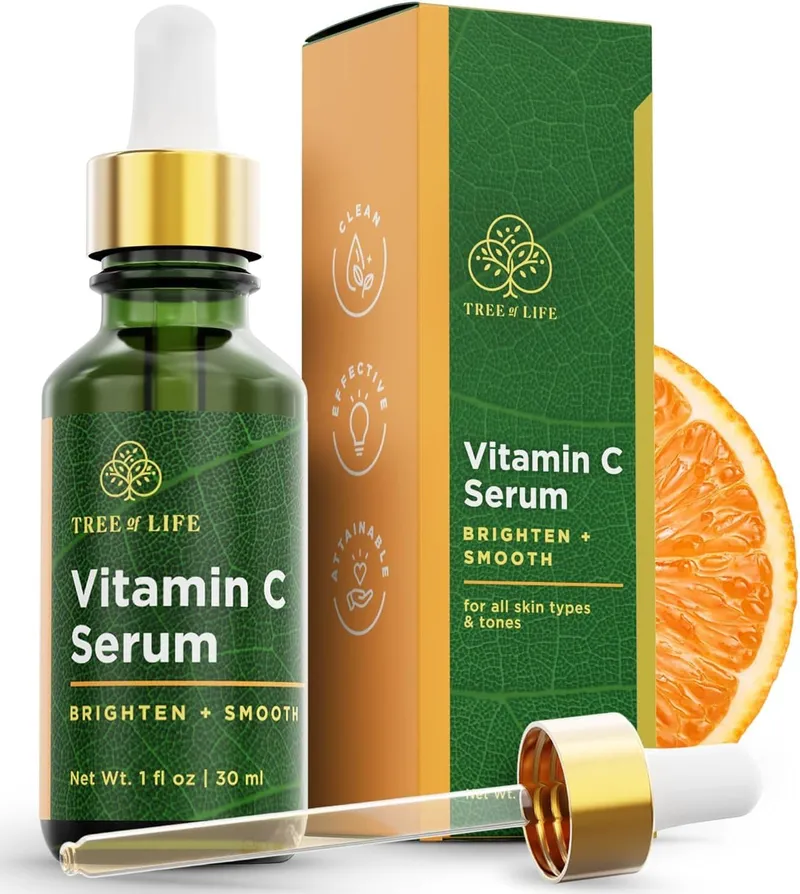
BEST VITAMIN C
Tree of Life Beauty Vitamin C Skin Care Set
4.3 ★ · 56,208 reviews
Tree of Life targets the brightening and antioxidant lane with ascorbic acid — one of the few skincare actives with real...
Peptides + retinol: the power combo
Peptides alone work. But combine them with retinol or other retinoids and you accelerate results. Retinoids increase cell turnover and collagen remodeling; peptides signal additional collagen synthesis. Clinical trials show the combination reduces wrinkles 40% faster than peptides alone.
Pro tip: Apply peptide serum in the morning, retinol at night. They complement rather than compete.
Peptides won’t replace sunscreen or procedures—but for fine lines and early skin aging, they’re the most evidence-backed topical option available.
Common questions
Do peptides really work or is it hype?
Yes, peptides work. Clinical studies confirm collagen increases and wrinkle depth decreases with consistent use. But they’re not overnight magic. You need 8–12 weeks of daily application to see real results. The hype is that they work fast; the reality is they work steadily.
How long does it take to see results from peptides?
You’ll notice plumper, hydrated skin in 1–2 weeks. Visible wrinkle reduction takes 4–8 weeks with daily use. Maximum results appear around 12 weeks. Stop using them and the collagen signaling stops too—results plateau and slowly fade.
Are peptides better than retinol for wrinkles?
No—they’re complementary. Retinol works faster (4–8 weeks to visible results) but can irritate sensitive skin. Peptides work slower but are gentler and hydrating. For best results, use both: peptides morning, retinol night, starting retinol at low strength if new to it.
What’s the best peptide for wrinkles?
Argireline (acetyl hexapeptide-8) for expression lines and muscle tension. Matrixyl and palmitoyl peptides for overall collagen boost. Copper peptides for firmness and texture. Most serums combine 2–3 peptide types. Choose by your concern: expression lines → argireline; overall aging → matrixyl.
Can I use peptides if I have sensitive skin?
Yes. Peptides are among the gentlest active ingredients. They don’t exfoliate or irritate like acids and retinoids. Layer them under moisturizer if your skin is very reactive, but most people tolerate peptide serums alone without issue.