

What is Ferulic Acid in Skincare? The Stabilizer You’re Paying For
Ferulic acid is a plant-derived antioxidant that stabilizes vitamin C and E in skincare formulas, making them more effective at preventing photo-aging, fading dark spots, and brightening dull skin. It’s not the star—vitamin C is. But without ferulic acid, vitamin C becomes unstable, oxidizes quickly, and loses potency. Most people buying the buzzworthy “CE Ferulic” trinity don’t realize they’re paying premium prices largely for the stabilizer, not for ferulic acid’s antioxidant benefits.
This article contains affiliate links. If you buy through them, PDRN.AI earns a small commission at no extra cost to you. See our affiliate disclosure.
How Ferulic Acid Works
Ferulic acid is a hydroxycinnamic acid found in plant cell walls (rice bran, oat, coffee). In skincare, it serves two roles: as a mild antioxidant and as a chemical stabilizer for other antioxidants. The stabilizing role is what made it famous—clinical research shows that ferulic acid increases L-ascorbic acid (vitamin C) stability by roughly 90% and vitamin E stability by 100%. A tiny amount (0.5%) achieves this effect.
The antioxidant benefit itself is more modest. Ferulic acid protects skin from free radical damage caused by UV and pollution, reduces skin redness slightly, and may help fade hyperpigmentation over time. But these effects pale compared to what vitamin C can do at 10-20% concentration.
The Vitamin C + Vitamin E + Ferulic Acid Trinity
The “CE Ferulic” formula is a specific constellation popularized by SkinCeuticals and now imitated by dozens of brands. Here’s why this combination works:
- Vitamin C (L-ascorbic acid, 10-20%) — The brightener and collagen booster. Clinical research shows it reduces dark spots, fades sun damage, and improves skin texture over 8-12 weeks. But ascorbic acid is notoriously unstable; it oxidizes within days when exposed to air or high pH.
- Vitamin E (tocopherol, 1-2%) — A fat-soluble antioxidant that works synergistically with vitamin C to improve photodamage protection. It also calms inflammation and supports the skin barrier.
- Ferulic acid (0.5-1%) — The invisible hand that keeps both vitamin C and E stable in the same bottle, preventing them from oxidizing into brown, useless sludge.
Together, they’re more potent than any one ingredient alone. Clinical research has shown that this specific trio reduces skin roughness and improves photodamage more effectively than vitamin C alone. The formula must maintain an acidic pH (2.5-3.0) for vitamin C penetration. Many budget vitamin C serums skip ferulic acid, skip vitamin E, or formulate at the wrong pH—and thus deliver minimal anti-aging benefits.
What Ferulic Acid Won’t Do
Ferulic acid is not a cure or disease treatment. It won’t erase wrinkles overnight, guarantee even skin tone, or work as a standalone solution. Marketing language often inflates ferulic acid to a hero ingredient, but it’s actually the supporting actor that lets vitamin C shine.
If you’re buying a ferulic acid serum because you heard ferulic acid is the key ingredient, you’re buying for the wrong reason. You’re buying for the vitamin C. Ferulic acid’s entire job is to make sure that vitamin C stays potent long enough to reach your skin and do its work.
EDITORIAL PICKS
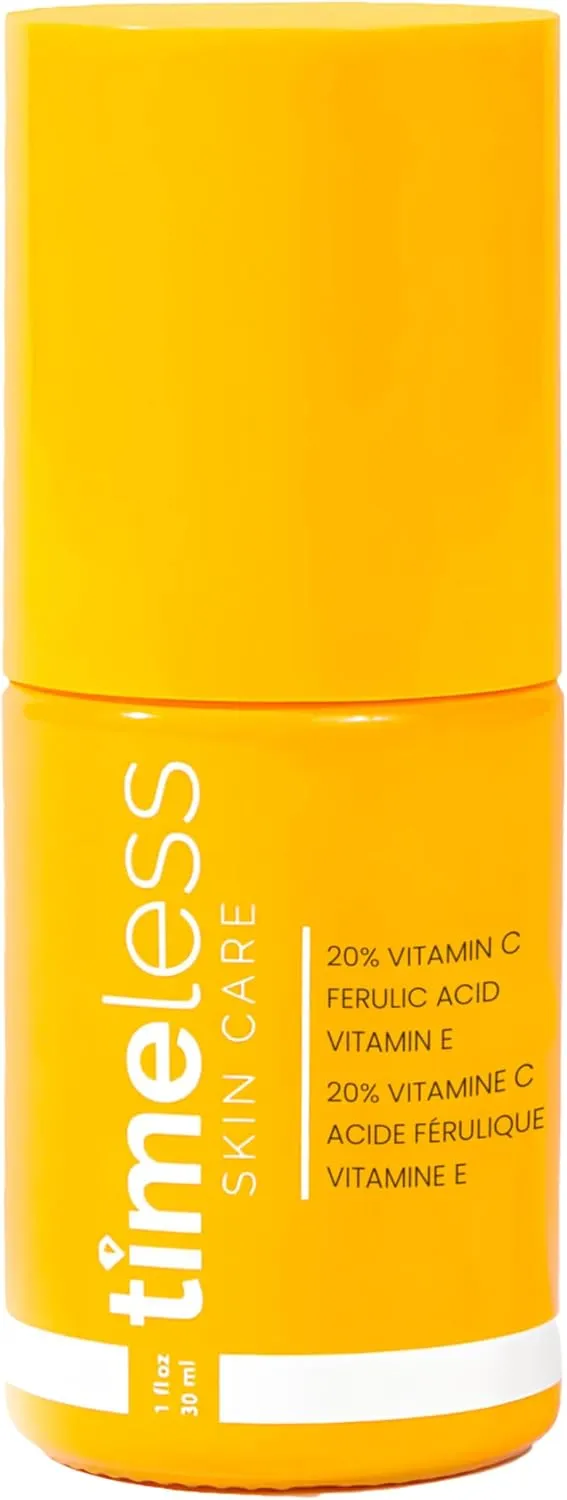
BEST BUDGET TRINITY
Timeless Skin Care Vitamin C Serum with Vitamin E & Ferulic Acid
4.2 ★ · 10,409 reviews
Timeless nails the full trinity at a fraction of the SkinCeuticals price. 20% L-ascorbic acid, 1% vitamin E, 0.5% ferulic acid, 10% hyaluronic acid. Stabilized, pH-balanced, and proven over decades...
BEST K-BEAUTY ALTERNATIVE
SeoulCeuticals Korean Skin Care 20% Vitamin C Hyaluronic Acid Serum CE Ferulic Acid
4.6 ★ · 1,318 reviews
SeoulCeuticals matches the CE Ferulic spec (20% vitamin C, ferulic acid, vitamin E) with the added bonus of hyaluronic acid for hydration. Higher customer rating, lower price than SkinCeuticals...
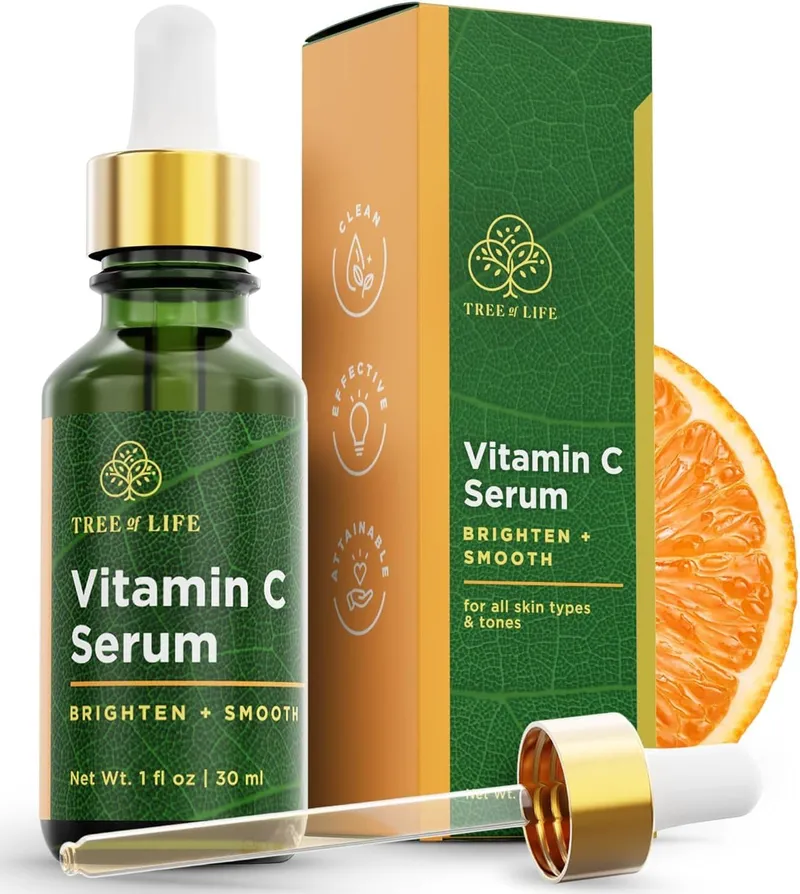
MOST TRUSTED BESTSELLER
Tree of Life Beauty Vitamin C Skin Care Set
4.3 ★ · 56,208 reviews
56K+ reviews make Tree of Life a workhorse option for vitamin C beginners. Includes serum, moisturizer, and eye cream as a set. Less precise ferulic acid formulation but solid social proof...
GENTLEST OPTION
CeraVe Vitamin C Serum for Face with 10% Pure Vitamin C, Hyaluronic Acid
4.3 ★ · 573 reviews
CeraVe simplifies the formula: 10% vitamin C (lower concentration), hyaluronic acid, and ceramides but no ferulic acid or vitamin E. Ideal for sensitive skin or first-time vitamin C users...
The Ferulic Acid Price Tag
You’ll notice the biggest price jump between serums with the trinity (Timeless, SeoulCeuticals, SkinCeuticals) and those without (CeraVe, Tree of Life basic formula). Are you paying for ferulic acid’s antioxidant power, or paying for stabilization? Mostly stabilization. Ferulic acid itself is cheap—a few cents per bottle. What you’re paying for is the formulation expertise to combine it correctly with vitamin C and vitamin E, and the pH control to keep everything stable at 2.5-3.0.
SkinCeuticals holds a patent on the specific CE Ferulic formulation (L-ascorbic acid + alpha-tocopherol + ferulic acid at pH 2.5-3.0), so many brands can’t use the exact same recipe. But brands like Timeless and SeoulCeuticals work around this with identical-looking specs and very similar performance. The difference isn’t ferulic acid; it’s product stability, texture, and how long the company’s been iterating the formula.
How to Use Ferulic Acid Serums
Timing: Apply ferulic acid serum to clean, dry skin in the morning. Ferulic acid + vitamin C perform best when they have time to stabilize skin’s antioxidant defenses before sun exposure (hence the morning slot).
Combination: Follow with moisturizer and always use SPF 30+ sunscreen. Vitamin C makes skin slightly sun-sensitive temporarily; sun protection is not optional.
Frequency: Start 3-4 times per week if your skin is sensitive or reactive. Move to daily use after 2-3 weeks if tolerated. Ascorbic acid can irritate if you’re not acclimated.
Stability: Store in a cool, dark place—preferably a refrigerator. The dark bottle + cool temperature extend shelf life dramatically. Once opened, most bottles stay effective for 3-6 months, but oxidation (brown discoloration) means it’s time to retire.
Don’t mix with: Avoid layering ferulic acid serums directly under high-pH or alkaline products. They can destabilize the formula. Also skip niacinamide in the same step (different pH), though you can use it minutes later, once the serum dries.
Ferulic acid is brilliant at its actual job—keeping vitamin C stable. But don’t let the name fool you. You’re not buying ferulic acid. You’re buying vitamin C, and ferulic acid just makes sure it works.
Common questions
Does ferulic acid work by itself?
Ferulic acid alone has mild antioxidant activity, but nothing close to what vitamin C delivers. Clinical research shows ferulic acid reduces sun damage very modestly. Its real value is stabilizing vitamin C and E—not as a solo star. If you see a product advertising ferulic acid as the hero, the marketing department is overselling.
Can I use ferulic acid if I have sensitive skin?
Yes, but carefully. Ferulic acid itself is gentle, but the vitamin C in ferulic acid serums is a low-pH acid that can irritate reactive or compromised skin. Start 2-3 times per week, then gradually increase. If you develop redness or burning, dial back frequency or switch to a lower-concentration vitamin C serum (like CeraVe’s 10% option).
Why is the pH of ferulic acid serums so low?
Low pH (2.5-3.0) allows L-ascorbic acid to penetrate the skin barrier effectively. At higher pH, vitamin C sits on the surface and does nothing. Ferulic acid helps keep vitamin C stable at this acidic pH so the whole trio survives in the same bottle without oxidizing. Without ferulic acid, you’d need separate bottles for vitamin C and vitamin E, or accept rapid oxidation.
How long does a ferulic acid serum last after opening?
Most last 3-6 months. Store it in the fridge to slow oxidation. A light-brown or amber color means it’s starting to lose potency but isn’t necessarily dangerous. Once it turns dark brown or smells rancid, discard it. The antioxidant benefit disappears as the vitamin C degrades.
Is SkinCeuticals CE Ferulic worth $165 per ounce?
Not necessarily. Timeless and SeoulCeuticals offer nearly identical ferulic acid + vitamin C + vitamin E specs at 1/3 the price. The main difference is SkinCeuticals’ brand reputation and slightly longer track record. If budget allows, either is a solid choice. If budget is tight, Timeless or SeoulCeuticals will deliver the same stabilization benefits.