
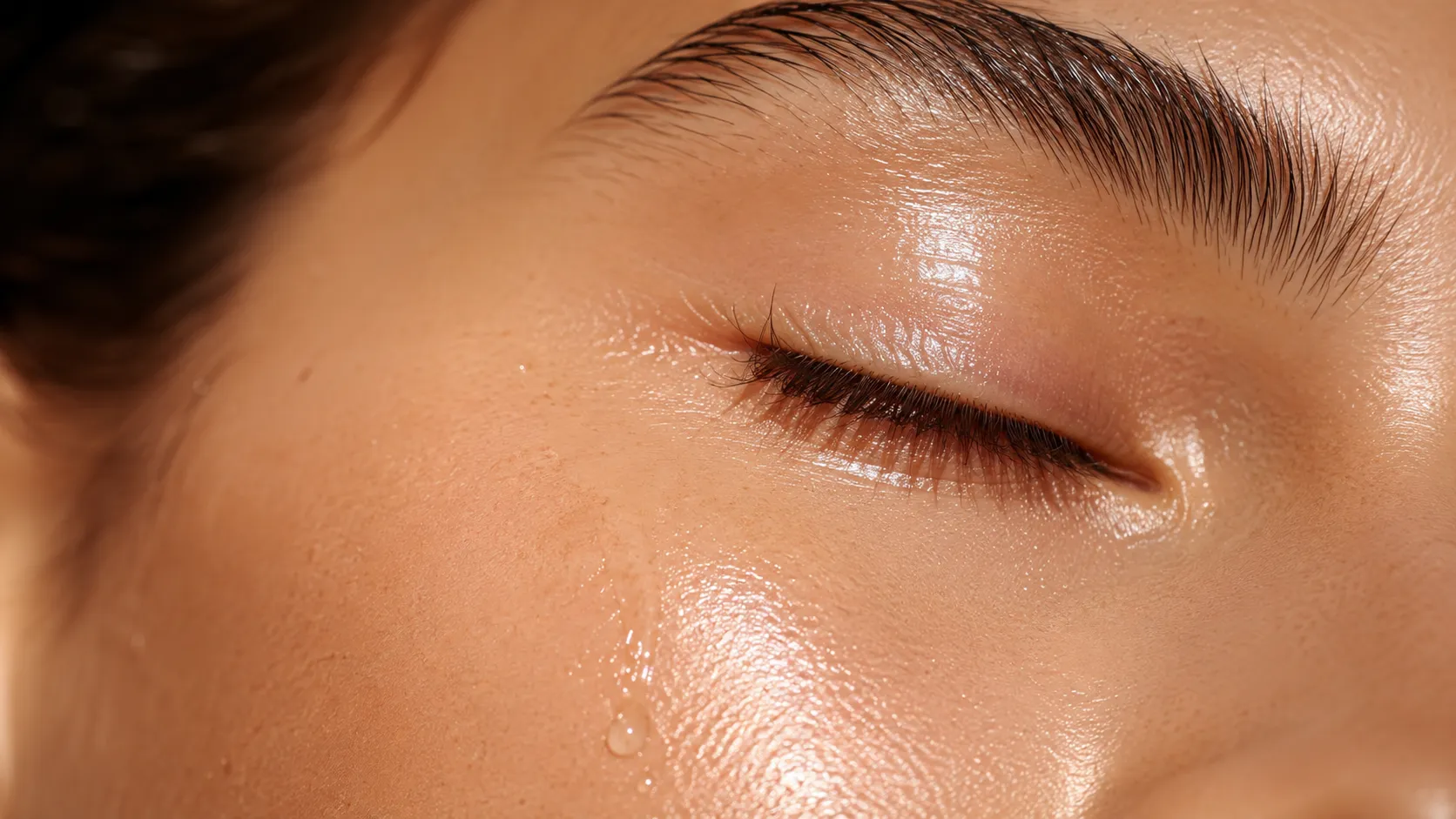
Peptides for under eyes: do they reduce dark circles and wrinkles?
Peptides can help with fine lines and wrinkles under the eyes by supporting collagen and improving skin firmness—but they won’t address genetic dark circles. What peptides do is hydrate, plump the area, and reduce the appearance of puffiness and fine lines over 6–12 weeks of consistent use. If you’re expecting peptides to erase deep-set dark circles or blood vessel discoloration, you’ll be disappointed. If you want to firm the eye area, reduce creasing, and improve texture, they’re worth the investment.
This article contains affiliate links. If you buy through them, PDRN.AI earns a small commission at no extra cost to you. See our affiliate disclosure.
How peptides actually work under the eyes
The delicate under-eye area is just 0.5mm thick—roughly one-third the thickness of facial skin. Peptides work here by triggering collagen production and improving skin barrier function. Amino acid chains signal fibroblasts to synthesize more collagen and elastin, which thickens the skin over time and reduces the appearance of wrinkles.
Some peptides—like Acetyl Tetrapeptide 5 and Copper Peptide—also improve microcirculation and reduce fluid retention, which can temporarily de-puff the area. This is the “immediate” benefit (visible within hours). The collagen-building benefit is the “long-term” one (visible over 8–12 weeks).
Peptides are occlusive-light and hydrating, so they also improve barrier function and lock in moisture—critical under the eyes, where skin can dry out and appear crepey.
EDITORIAL PICKS
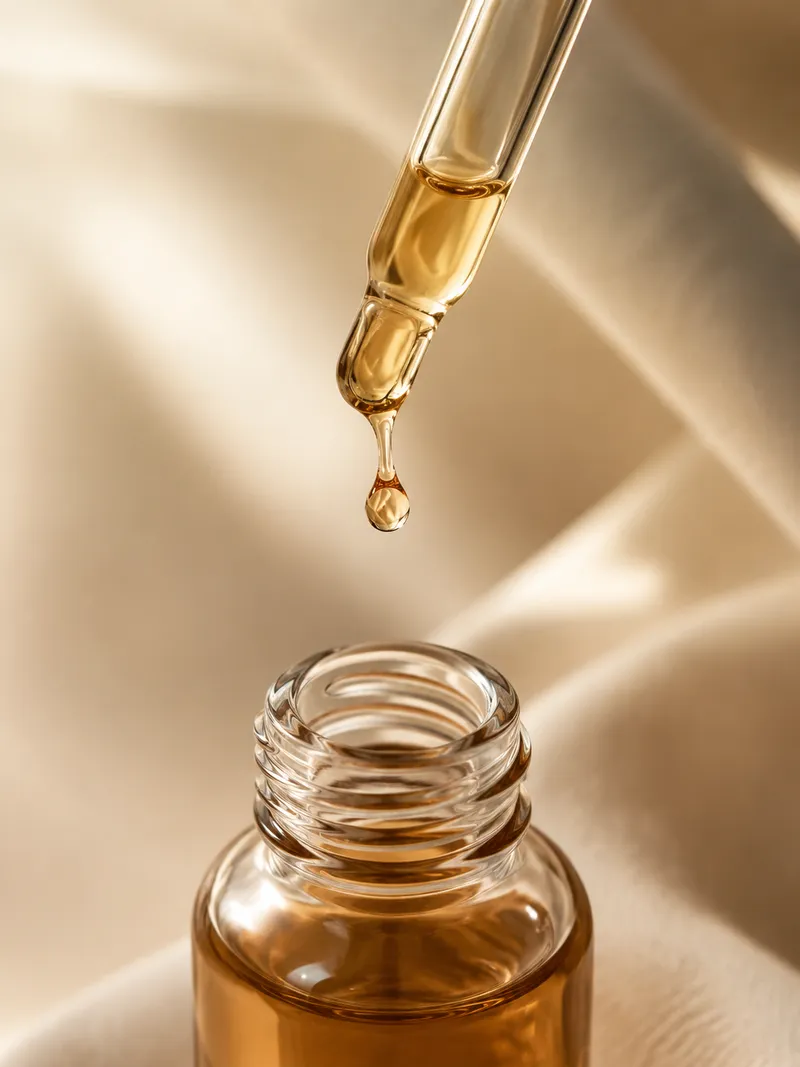
BEST OVERALL
goop Beauty Peptide Serum
4.2 ★ · 17,297 reviews
This peptide serum sits in the peptide lane — the fastest-growing category in skincare, with formulas that signal skin t...
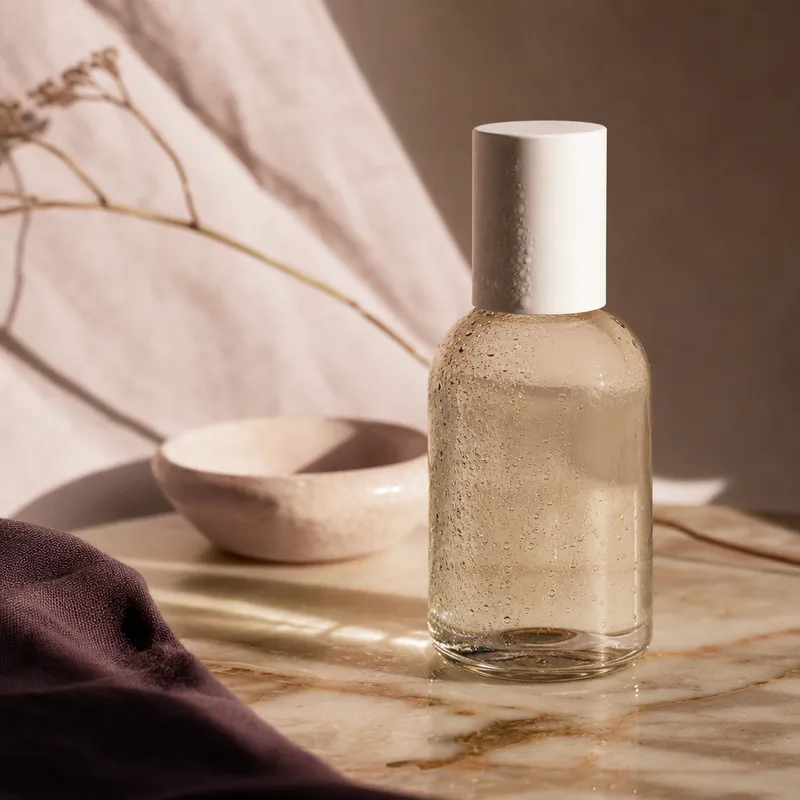
BEST FOR DARK CIRCLES
Then I Met You Snail Mucin Eye Cream, Korean Skincare for Dark Circles, Puffy Eyes
4.2 ★ · 986 reviews
Then I Met You runs on snail secretion filtrate — humectant-heavy, glycoprotein-rich, slow-build hydration in the Cosrx ...
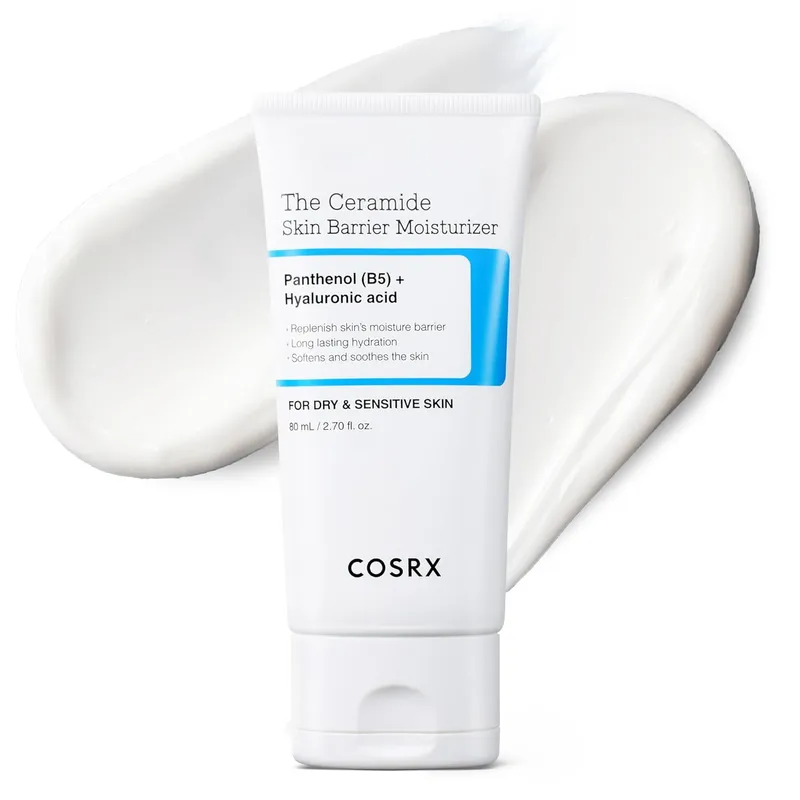
BEST HYDRATION
COSRX Ceramide Skin Barrier Moisturizer for Face with 7 Ceramides
4.7 ★ · 144,291 reviews
COSRX is a hyaluronic-acid layer for routines that need humectant support without occlusion. Apply to damp skin and seal...
What peptides actually improve under the eyes
Fine lines and wrinkles: Clinical research shows peptides reduce the appearance of crow’s feet and under-eye creases over 8–12 weeks. Dermatologists agree this is the most reliable benefit.
Puffiness: Peptides can reduce fluid retention and puffiness, especially when combined with caffeine or cooling application. This effect is noticeable within 1–2 hours.
Skin firmness and elasticity: Peptides improve collagen density, so the under-eye area looks more lifted and less slack over time. This is a 6–12 week process.
Under-eye texture and crepiness: By improving hydration and collagen, peptides smooth the texture under the eyes and reduce the appearance of crepey skin.
Mild dark circle appearance: Peptides can’t address the actual dark circles (caused by genetics, thin skin showing blood vessels, or pigmentation), but improved thickness and hydration can make them appear slightly lighter.
What peptides won’t address for dark circles
Dark circles are caused by genetics, age-related skin thinning, hemoglobin pooling (blood vessel visibility), and sometimes melanin deposition. Peptides cannot:
- Address genetic dark circles or remove visible blood vessels underneath
- Address pigmentation-based dark circles (those require vitamin C, niacinamide, or tretinoin)
- Remove deep eye hollows (those require filler or more intensive procedures)
- Create immediate, dramatic results (peptides build slowly)
If your dark circles are genetic—meaning they’re visible no matter how well-rested you are—peptides alone won’t resolve them. You’ll need a multi-step approach: peptide eye cream + vitamin C serum + snail mucin hydration + retinoid (in the right concentration for the eye area).
How to use peptides under the eyes correctly
Layering order: After cleansing, apply peptide eye cream or serum first (while skin is still slightly damp), then layer a hydrating essence or snail mucin on top, then a moisturizer or eye cream if needed.
Amount: Use a rice-grain amount (about 0.25g). The under-eye area is delicate and small—more product doesn’t mean faster results.
Frequency: Morning and night for best results. Peptides work additively, so consistency matters more than concentration.
Timing: Expect visible results in 6–8 weeks for fine lines. Puffiness reduction can happen within days if the peptide formula includes depuffing actives (like caffeine).
Don’t apply directly to the lash line. Apply to the orbital area—the bone beneath the eye—and gently pat upward toward the inner brow.
Tretinoin and peptides: Avoid applying peptide eye creams directly over tretinoin. If you’re using tretinoin under the eyes, apply peptides in the morning only, and use a heavier moisturizer or occlusive at night.
Common misconceptions about peptide eye creams
Peptides are the primary path to addressing dark circles—but that’s not what the research shows. They hydrate and firm, they don’t restructure genetics.
Myth 1: “Peptides will make dark circles disappear.” False. Peptides improve hydration, firmness, and fine lines. They don’t change the fundamental cause of dark circles (vessel visibility or pigmentation). You’ll see mild improvement in appearance if the peptides plump the skin, but don’t expect dark circles to vanish.
Myth 2: “All peptides are the same.” False. Copper Peptide is different from Acetyl Tetrapeptide 5, which is different from generic dipeptides. Some peptides focus on collagen-building; others on depuffing. Check the specific peptide type in your product.
Myth 3: “Peptides work faster than retinol.” False. Peptides and retinoids both take 8–12 weeks to show significant results. Peptides feel faster because they hydrate immediately, but structural collagen-building happens on the same timeline.
Myth 4: “You need a ‘concentrated’ peptide serum.” Not necessarily. A well-formulated peptide eye cream with supporting hydrators (HA, snail mucin, ceramides) often outperforms a high-peptide-concentration formula that’s drying or irritating.
Common questions
Do peptides actually reduce dark circles?
Peptides can improve the appearance of dark circles by hydrating the area and reducing puffiness, but they won’t address dark circles caused by genetics or blood vessel visibility. If your dark circles are due to thin under-eye skin showing blood vessels (structural), peptides will provide a 10–20% improvement at best. If you have pigmentation-based dark circles, you’ll need vitamin C, niacinamide, or retinoids—not just peptides.
How long does it take for peptide eye cream to work?
Puffiness reduction can happen within 1–2 hours (if the formula includes depuffing ingredients like caffeine). Fine line reduction typically takes 6–8 weeks of consistent, twice-daily use. Collagen-building and skin firmness improvements take 8–12 weeks.
Can I use peptides with retinol or tretinoin?
Yes, but timing matters. If you’re using tretinoin under the eyes, apply peptides in the morning only and use a heavier occlusive at night. Avoid applying peptides directly over fresh tretinoin to reduce irritation. If using over-the-counter retinol, you can layer peptides immediately after or the next morning.
What’s the best peptide for dark circles?
Acetyl Tetrapeptide 5 and Copper Peptide have the most research for under-eye concerns. Acetyl Tetrapeptide 5 specifically targets depuffing and fine lines. Copper Peptide is better for collagen-building and firmness. Both work best when combined with hydrating support (HA, snail mucin, ceramides).
Can peptides replace an eye cream?
Peptides alone aren’t enough. The under-eye area needs hydration, barrier support, and occlusion. A peptide serum should be followed by a hydrating essence (like snail mucin) and a moisturizer or thicker eye cream to seal everything in. Peptides are the active—hydration and occlusion are the foundation.