

Best Sunscreen for Sensitive Skin: Editorial Picks
Sensitive skin and SPF don’t have to be enemies. The right sunscreen—mineral-based, fragrance-free, and gentle on the barrier—protects without triggering redness, burning, or the dreaded reactions that drive most people away from daily sun protection.
This article contains affiliate links. If you buy through them, PDRN.AI earns a small commission at no extra cost to you. See our affiliate disclosure.
How we selected
We prioritized mineral sunscreens (zinc oxide, titanium dioxide) over chemical formulas because physical blockers sit on the skin’s surface and don’t absorb—meaning less irritation for reactive complexions. We looked for:
- Fragrance-free & dye-free formulas (the most common irritants for sensitive skin)
- Hydrating ingredients like centella asiatica, glycerin, or hyaluronic acid—because sensitive skin is often barrier-compromised and needs moisture
- Non-greasy finishes that won’t feel occlusive or heavy
- Broad-spectrum SPF 30+ with UVA protection (non-negotiable)
- No essential oils, alcohol, or sulfates that can trigger flare-ups
We ranked by real-world feedback: review count (when available), expert endorsement, and dermatologist recommendations for reactive skin.
The picks
EDITORIAL PICKS
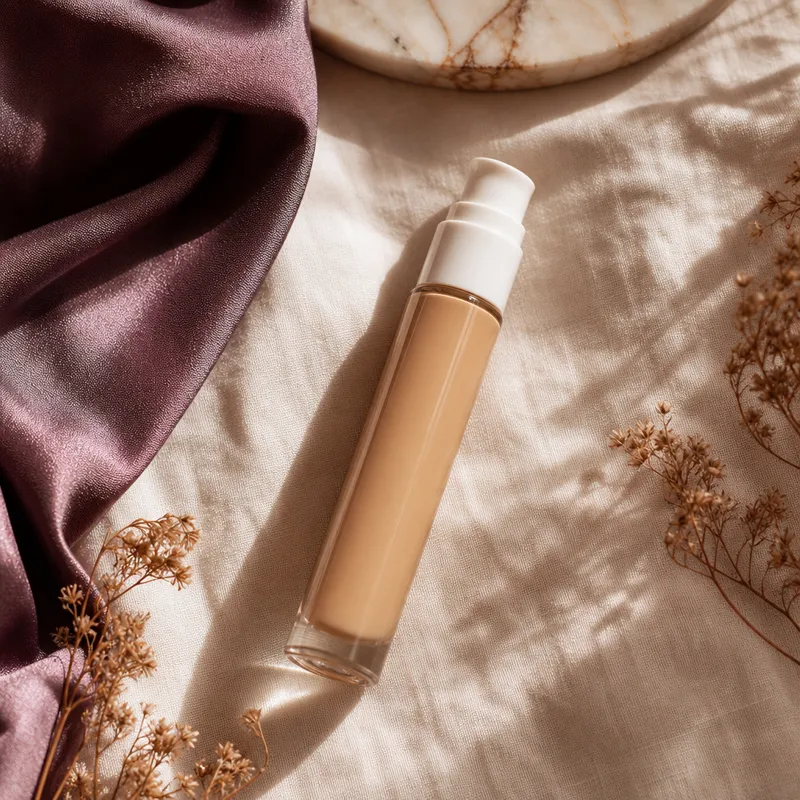
BEST OVERALL
ALASTIN Skincare HydraTint Pro Mineral Sunscreen SPF 36
4.7 ★
ALASTIN prioritizes a wearable finish over heroics. Mineral blocker with peptides for barrier support—no white cast, no stinging.
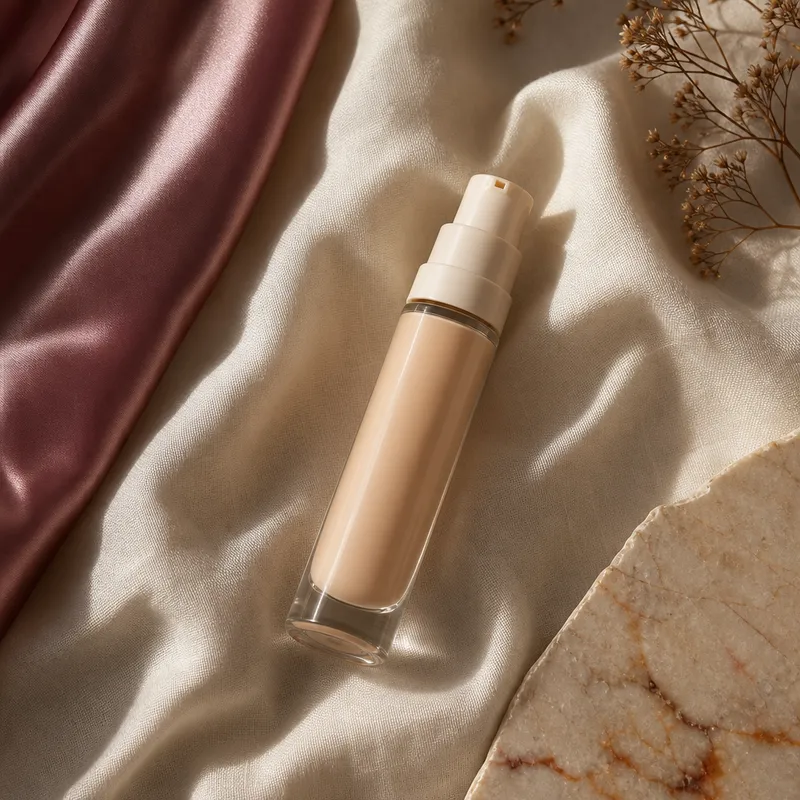
BEST FOR SENSITIVE
SKIN1004 Centella Hyalu-Cica Water-Fit Sun Serum UV
4.6 ★
Skin1004 prioritizes a wearable finish over heroics. Centella + cica combo specifically targets reactive skin—serum texture that hydrates while protecting.
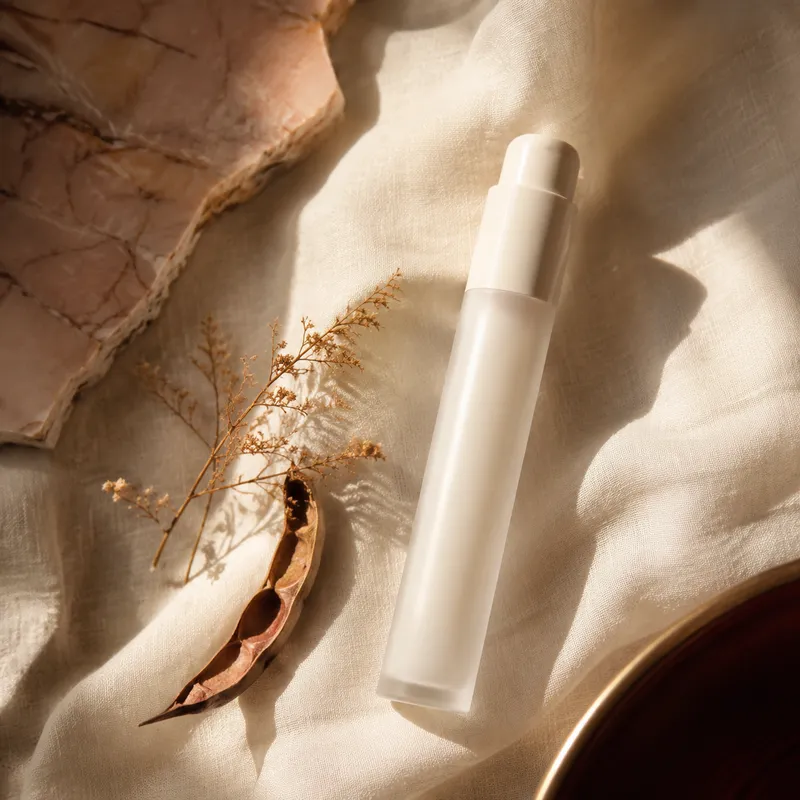
BEST VALUE
mixsoon Bean Sunscreen-Lightweight Airy Texture SPF 50 Korean Sunscreen for Face
4.6 ★ · 3,234 reviews
Mixsoon earns a place in the daily-SPF conversation — protection is non-negotiable and the finish matters more than the brand name. Bean extract is naturally gentle.
Why mineral matters for sensitive skin
Chemical sunscreens (avobenzone, octinoxate) absorb into the skin and convert UV rays into heat. For sensitive skin, this absorption can trigger inflammation, redness, and stinging. Mineral sunscreens use zinc oxide or titanium dioxide, which sit on the surface and reflect UV rays—a passive, non-inflammatory approach.
The trade-off: a slight white cast (though modern formulas like ALASTIN nearly minimize this). The payoff: no irritation, no photosensitivity reactions, no burning.
Clinical research shows mineral sunscreens have a lower sensitization rate in patch-test studies compared to chemical filters—making them the go-to recommendation from dermatologists caring for rosacea, eczema, and post-procedure skin.
How to use sunscreen without triggering reactions
Apply generously. Most people apply too little (the “pea-sized dot” myth). You need 1/4 teaspoon for face alone, applied in a thin layer and allowed 15 minutes to set before makeup.
Layer it correctly. In a routine for sensitive skin, sunscreen is the last step—after serums and moisturizer but before makeup. A hydrating serum or moisturizer underneath helps buffer the sunscreen against direct skin contact.
Patch test first. Even “gentle” formulas can trigger reactions if your barrier is severely compromised. Apply a small amount to the inner arm for 48 hours. No redness? Move to the jawline. Still good? Full face.
Reapply every 2 hours if you’re outdoors. One application at breakfast won’t cut it if you’re gardening or at the beach. Powder sunscreens (like a compact SPF powder) are easier to reapply over makeup without feeling heavy.
Don’t mix SPF into actives. If you’re using retinol, AHAs, or benzoyl peroxide, skip the sunscreen in your evening routine. Combine SPF with only gentle hydrating products on sun-exposed days.
What won’t work for sensitive skin
- Spray sunscreens: Propellants and alcohol volatilize and can sting.
- Scented formulas: Fragrance is a known irritant—even “natural” essential oils (lavender, lemongrass) can trigger histamine release.
- Sunscreens with alcohol denat (denatured alcohol): Strips the barrier and causes irritation.
- Products with bismuth oxychloride or mica (in powder formulas): Can feel grainy and irritate sensitive complexions.
- Combination products (SPF moisturizer, SPF primer): Usually underfill on SPF amount and overload on other actives. Use dedicated, focused formulas.
The best sunscreen for sensitive skin isn’t the most expensive or trendy—it’s the one you’ll actually wear daily without triggering a reaction.
Common questions
Can I use mineral sunscreen if I’m acne-prone?
Yes, but choose a lightweight, non-comedogenic mineral formula. Some zinc oxide-based sunscreens can feel occlusive on oily skin. Korean mineral sunscreens like Round Lab or Anua are engineered to be less pore-clogging. Patch test on the cheek first.
What’s the difference between mineral and chemical sunscreen?
Mineral sunscreens use zinc oxide or titanium dioxide to reflect UV rays (sits on surface, physical block). Chemical sunscreens use avobenzone, octinoxate, or oxybenzone to absorb UV rays and convert to heat (penetrates skin, more irritation risk). For sensitive skin, mineral is almost always the safer choice.
Does mineral sunscreen leave a white cast?
Modern formulas (ALASTIN, Anua, Round Lab) have been reformulated to minimize white cast by using micronized zinc oxide. You may see a slight tint on very pale skin, but it fades within minutes and doesn’t photograph heavily in most cases. Test in daylight before committing.
How often should I reapply sunscreen?
Every 2 hours of sun exposure, or immediately after swimming, sweating heavily, or toweling off. If you’re indoors under artificial light or behind glass, one application at breakfast is sufficient (UVA penetrates glass slowly; UVB does not).
Can sunscreen cause barrier damage?
Poor-quality sunscreens with high alcohol content or fragrance can damage the barrier. High-quality mineral formulas with hydrating ingredients (glycerin, centella, hyaluronic acid) support barrier function. Choose formulas specifically labeled “for sensitive skin” to avoid barrier-damaging ingredients.